


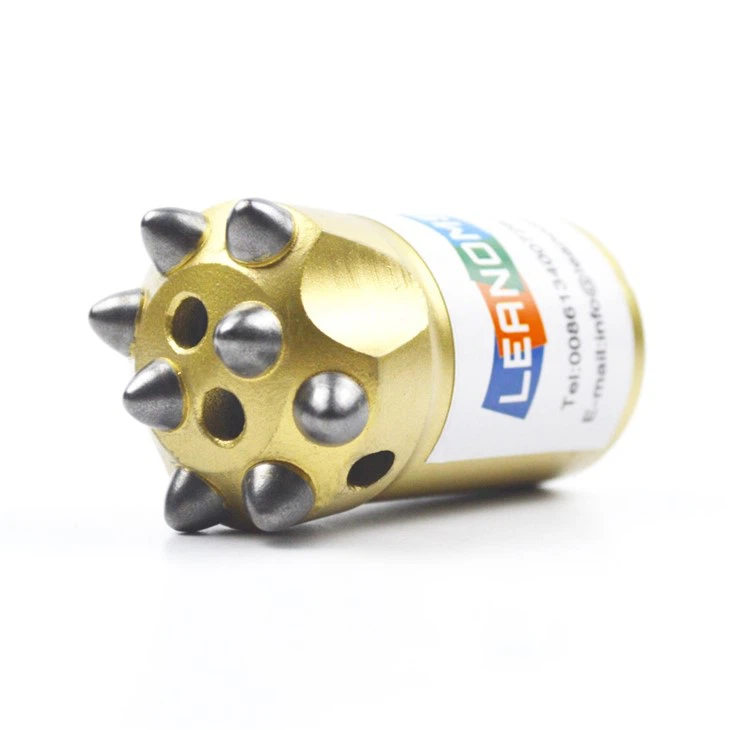


"Why do these bits keep failing so fast?"
"Same rock, same drill, but different suppliers-and completely different results."
The site engineer wiped the dust from his gloves and looked down at a worn pneumatic rock drill bit.
"We're burning through bits every week. Is it the rock… or the bit?"
This question is asked every day on mining sites, construction projects, and quarries around the world.
Pneumatic rock drill bits may look simple, but small differences in design, material quality, and operating practice can double-or halve-their service life. Understanding how these bits work, why they fail, and how to select and maintain them properly is critical to drilling efficiency, safety, and cost control.
This article breaks down everything professionals need to know about pneumatic rock drill bits, from types and materials to wear mechanisms, real-world case studies, and proven best practices.
What Are Pneumatic Rock Drill Bits?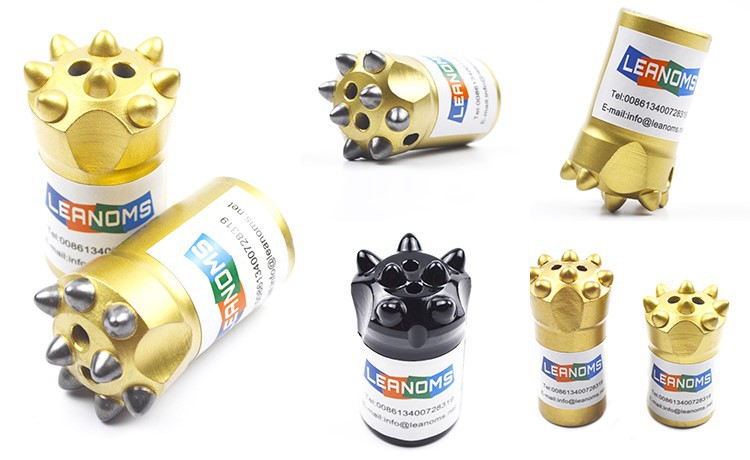
Pneumatic rock drill bits are specialized cutting tools designed to operate with pneumatic (air-powered) rock drills. These drills convert compressed air into repeated impact energy, which is transmitted directly to the bit and then into the rock or concrete.
They are widely used across industries including:
Mining and tunneling
Construction and infrastructure
Quarrying and aggregate production
Underground excavation and blasting preparation
Unlike rotary-only drilling tools, pneumatic bits rely heavily on impact energy, making material quality and energy transfer efficiency essential.
Working Principle
Pneumatic rock drill bits are attached to the drill's chuck or shank and are powered by compressed air. The drill operates by repeatedly striking the bit's tip against the rock surface, fracturing it and creating a hole. The drilling process can be further aided by applying water or a drilling fluid to cool the bit and flush away the drill cuttings.
Products Description LEANOMS
Main Types of Pneumatic Rock Drill Bits
Different geological conditions demand different bit designs. Below are the most common types used in pneumatic drilling operations.
Pneumatic rock drill bits are specialized tools designed for use with pneumatic rock drills, also known as air-powered rock drills. These drill bits are used in various industries such as mining, construction, and quarrying to drill holes in hard rock or concrete.

Pneumatic rock drill bits typically have a cylindrical or conical shape with a pointed or chisel-like tip. The tip is made of hard and durable materials such as tungsten carbide or hardened steel, which allows the bit to withstand the high impact forces and abrasion encountered during drilling. The body of the bit is usually made of steel and is designed to efficiently transmit the impact energy from the drill to the rock or concrete surface.
Pneumatic rock drill bits come in different sizes and configurations to suit various drilling applications. Some common types of pneumatic rock drill bits include:
Chisel bits: These bits have a flat chisel-shaped tip and are used for general drilling in softer rock formations or concrete.
Cross bits: Cross bits have a cruciform shape with four cutting edges and are used for drilling in medium to hard rock formations.
Button bits: Button bits have spherical tungsten carbide inserts on their tip, which provide increased durability and enhanced drilling performance in hard rock formations.
DTH (Down-the-Hole) bits: These bits are used in down-the-hole hammer drilling systems, where the hammer is located behind the bit. DTH bits are designed for drilling in very hard rock formations.
It's important to select the appropriate type and size of pneumatic rock drill bit based on the specific rock or concrete material being drilled, as well as the desired hole diameter and drilling depth.
How Pneumatic Rock Drill Bits Get Damaged
Despite robust design, pneumatic rock drill bits are subject to harsh conditions. The most common causes of damage include:
1. Excessive Wear
Continuous drilling in abrasive or hard formations gradually erodes cutting edges and carbide buttons.
Scientific Insight: Studies show that abrasive quartz-rich formations can increase bit wear rates by 30–50% compared to limestone.
2. Overheating
Insufficient cooling or flushing causes heat accumulation, leading to:
Softening of steel
Thermal cracking
Loss of carbide retention
Overheating is often linked to insufficient water injection or clogged air passages.
3. Improper Drilling Technique
Common operator-related issues include:
Excessive feed force
Incorrect drilling angle
Using the wrong bit type for the rock
These mistakes significantly increase the risk of chipping and breakage.
4. Contamination and Abrasive Debris
Dust, sand, and debris act like grinding media, accelerating wear on cutting surfaces-especially in dry drilling environments.
5. Poor Maintenance
Failing to clean, inspect, or rotate bits regularly leads to:
Uneven wear
Reduced penetration
Premature failure
6. Low-Quality Bit Materials
Substandard steel or poorly bonded carbide inserts often fail early under high-impact loads.
Application LEANOMS

Expert Insights: Industry Trends and Best Practices
Trend 1: Shift Toward High-Grade Carbide and Heat Treatment
According to drilling tool manufacturers, advanced carbide grades and optimized heat treatment can extend bit life by up to 40% in hard rock conditions.
Trend 2: Data-Driven Bit Selection
Modern operations increasingly rely on rock hardness indices, UCS values, and abrasion indices to match bit design to geology.
Expert Opinion
"Most premature bit failures are not caused by rock hardness alone-but by mismatched bit design and improper operation."
- Senior Drilling Engineer, Global Mining Project
Real-World Applications and Case Examples
Case 1: Quarry Operation in Southeast Asia
A quarry drilling granite replaced traditional chisel bits with button pneumatic rock drill bits.
Results:
Bit life increased by 60%
Downtime reduced significantly
Overall drilling cost reduced by 22%
Case 2: Urban Construction Project
In subway foundation drilling, improper flushing caused frequent overheating.
Solution: Optimized water injection + higher-quality pneumatic bits.
Outcome: Stable drilling and zero bit failures over three months.
User Feedback from the Field
"After switching to high-quality pneumatic button bits, we reduced bit consumption by nearly half."
- Quarry Manager, South America
"Stable penetration and less vibration made a noticeable difference in operator comfort."
- Underground Mining Supervisor
How to Extend the Service Life of Pneumatic Rock Drill Bits
Select bit type based on rock hardness and abrasiveness
Maintain stable air pressure and proper flushing
Avoid excessive feed force
Inspect and clean bits regularly
Use reputable, quality-certified manufacturers
FAQ: Popular Google Search Questions
1. What are pneumatic rock drill bits used for?
They are used with air-powered drills to drill holes in rock or concrete for mining, construction, and quarrying.
2. Which pneumatic bit is best for hard rock?
Button bits and DTH bits perform best in hard and abrasive formations.
3. Why do pneumatic drill bits wear out quickly?
Common causes include abrasive rock, overheating, improper technique, and low-quality materials.
4. How can I prevent overheating of drill bits?
Ensure proper water or air flushing and avoid continuous drilling without cooling intervals.
5. How long do pneumatic rock drill bits last?
Service life varies widely, but proper selection and operation can extend lifespan by 30–60%.
Conclusion: The Real Reason Pneumatic Rock Drill Bits Fail-or Succeed
Just like the engineer in our opening conversation discovered, bit failure is rarely random.
The right pneumatic rock drill bit-matched to geology, operated correctly, and properly maintained-can dramatically improve drilling efficiency, safety, and cost control.
In short:
Understand the bit. Respect the rock. Optimize the operation.
That's how professionals get the most value from pneumatic rock drill bits.


