


product introduction
::LEANOMS
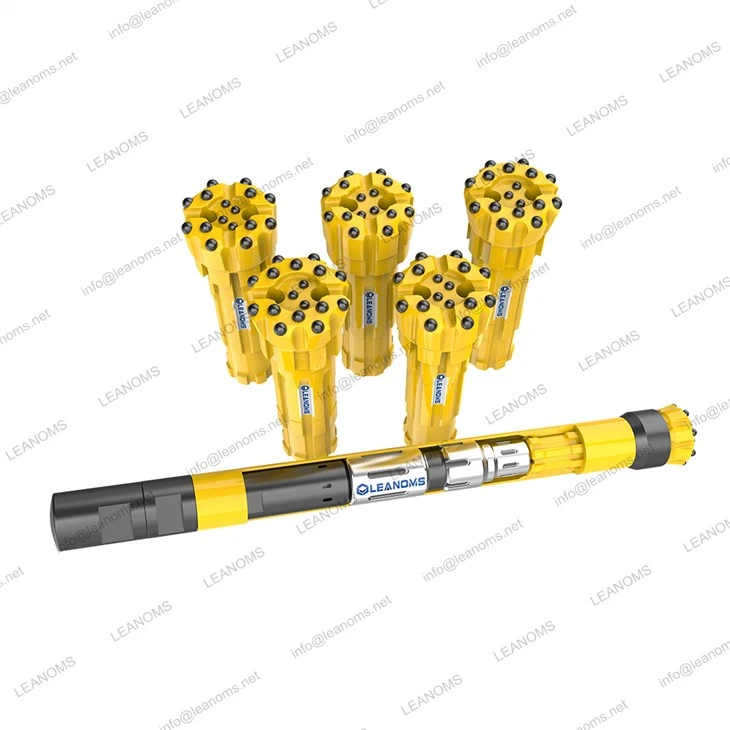
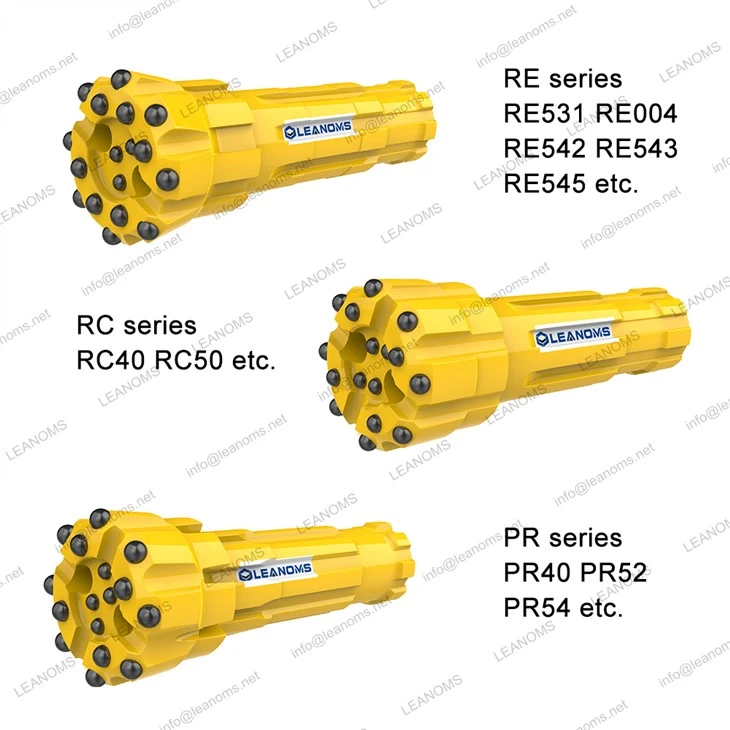
The RC Drill Bit is a specialized type of bit used for reverse circulation drilling. Unlike conventional bits where fluid is pumped down the drill rods, reverse circulation utilizes compressed air pumped downhole to power the bit and carry cuttings up and out of the borehole.
The design of the reverse circulation bit facilitates this upward movement of cuttings. It has a large opening through the center as well as side ports near the cutting face. As the bit rotates and pulverizes the rock formation underground via percussion, the cuttings are ejected up through these openings rather than down the hole. The compressed air provides lifting force to transport the cuttings all the way back to the surface for collection and real-time analysis.
product Advantages
::LEANOMS
RC Drill Bit Advantages:
1. High penetration rates through all types of rock;
2. High-quality samples from areas where circulation has been lost;
3. Return of a large, uncontaminated sample;
4. Longevity results in a lower cost per meter;
5. Diamond-enhanced carbide RC Drill Bit for deep and abrasive drilling conditions, with no need to sharpen the bits.
Selecting the right RC (Reverse Circulation) drill requires careful consideration of several factors to ensure that you choose the best equipment for your specific needs. Here are some steps to follow to help you select the right RC drill: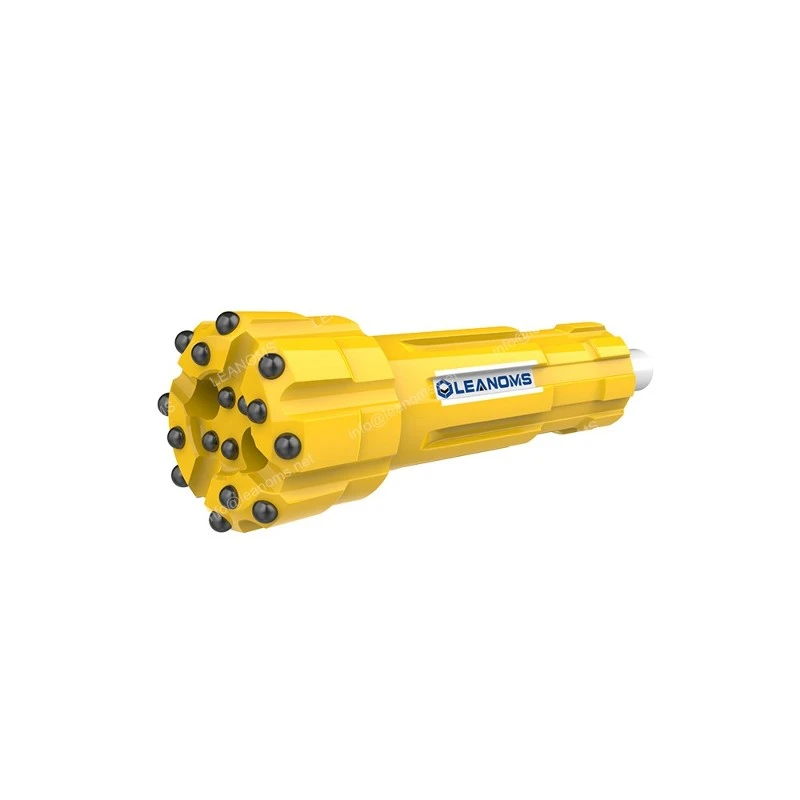
Determine your drilling needs: The first step is to determine the type of drilling you will be doing, the depth of the holes you need to drill, and the ground conditions you will be working with. This information will help you determine the size, power, and capabilities of the RC drill you need.
Consider the drilling environment: Consider the terrain and weather conditions of the area you will be working in. This will help you determine the type of RC drill that will be suitable for your needs.
Check the drill specifications: Look at the specifications of different RC drills to find one that matches your requirements. Key factors to consider include the depth of drilling, the diameter of the holes you need to drill, the power and performance of the drill, and the overall size and weight of the equipment.
Evaluate the cost: Consider the cost of the RC drill, including any additional expenses such as transportation and maintenance. Ensure that you have a budget in mind and select a drill that falls within that range.
Consider the manufacturer: Look for a reputable manufacturer with a track record of producing quality equipment. This will help ensure that you get a reliable RC drill that will serve you for an extended period.
Read reviews: Look for reviews and testimonials from other customers who have used the RC drill you are considering. This will give you a better understanding of the performance and reliability of the equipment.
By following these steps, you should be able to select the right RC drill that meets your drilling needs and falls within your budget.
product Applicant
::LEANOMS
Mineral Exploration
RC Drill Bit is well-suited for mineral exploration as it allows geologists to analyze cuttings in real-time to identify ore concentrations underground. This helps target areas for further assessment and mining feasibility studies. The continuous sampling enables more accurate reserve mapping.
Coal and Hydrocarbon Exploration
Similar to mineral exploration, RC drilling is widely applied in coal and oil/gas exploration projects. Cuttings collected provide on-the-spot lithology data to determine the presence and extent of fuel deposits, aiding in resource planning and estimations.
Geotechnical Investigations
RC Drill Bit is frequently used to conduct geotechnical site investigations for civil engineering works. Drilling is done to characterize underground soil and rock conditions in terms of strength, continuity, defects etc. This ensures foundations and excavations are appropriately engineered for safety.
Environmental Site Assessment
RC drilling supports effective environmental site assessment and remediation. Analyzing returned cuttings enables continuous delineation of contaminated zones and plumes, precisely targeting remedial works and monitoring their progress.
Horizontal Directional Drilling
When installing pipelines, cables or other subsurface utilities through sensitive areas, RC bits paired with steering tools can drill long stable holes while monitoring ground conditions in real-time through cuttings for planning optimal paths.
In summary, reverse circulation drilling with RC bits facilitates various applications by continuously evaluating subsurface profiles through cuttings for informed decision-making.
Product Parameters
::LEANOMS