Products Description LEANOMS
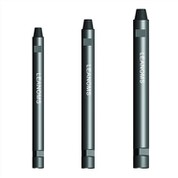
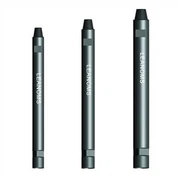
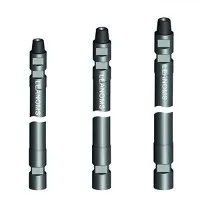
The 114mm API Drill Stem Pipe Connections refers to a specific type of pipe connection used in the oil and gas drilling industry. It follows the standards set by the American Petroleum Institute (API) for drill stem connections. This particular connection size is 114mm in diameter.
The 114mm API Drill Stem Pipe Connectionsincludes the following key features:
External Threads: The connection utilizes external threads, which are located on the outside surface of the drill stem pipe. The thread form is typically API Regular (REG), with 4 to 5 threads per inch.
Internal Threads: The connection also incorporates internal threads that are compatible with the external threads. This allows for the connection of successive sections of drill stem pipe.
Thread Sealing: To ensure the integrity of the connection, various means of thread sealing are employed, such as the use of sealing gaskets or thread coatings. These prevent leakage of drilling fluids or pressure media.
Structural Strength: The design of the connection takes into consideration the requirements for load-bearing capabilities during drilling operations. It is engineered to withstand high pressures, torques, and impact loads, ensuring the stability and reliability of the drill stem.
Products Features LEANOMS
Features:
1. High strength: 114mm API Drill Stem Pipe Connections is designed to withstand high torque, tensile, and compressive loads. It is made from high-strength steel that can withstand the stresses of drilling at great depths.
Threaded connections: Drill Stem Pipe has threaded connections at each end, which allow it to be connected to other sections of pipe and to the drilling tools. The threads are carefully machined to ensure a tight seal and to prevent the pipe from becoming stuck in the wellbore.
Wear resistance: The outer surface of the Drill Stem Pipe is designed to be wear-resistant, to prevent damage from abrasion against the wellbore.
Corrosion resistance: The pipe is also designed to resist corrosion, which can be caused by the harsh environment encountered during drilling operations.
2. Weight: The weight of the 114mm API Drill Stem Pipe Connections is carefully calculated to ensure that it is heavy enough to provide the necessary force to drive the drilling bit, but not so heavy that it becomes difficult to handle.
3. Markings: Each section of Drill Stem Pipe is marked with its unique identifier, which includes information such as the manufacturer, the grade of steel, and the date of manufacture. This allows the pipe to be tracked and inspected throughout its service life
Products parameters LEANOMS
LEANOMS 114mm API Drill Stem Pipe Connections are combined with cutting-edge technology and experienced research, designed to be the drillers’ first choice.
The optimal performance of LEANOMS DTH Drill Pipes includes:
Long thread life;
Quality consistency;
Easy to assemble and disassemble;
Up to 60% longer lasting , double service life for you, which means LEANOMS can help you save 1/2 to 2/3 of a total purchasing cost.
Drill Pipes Size: 60/76/89/102/114/127/140/159/194mm
Thread Type:API REG/NC(IF)/Beco

Products Description LEANOMS
Down-the-hole (DTH) drilling is a widely used technique for drilling boreholes in hard rock formations. DTH drill pipes are a crucial component in this drilling method. They have undergone various developments over the years to enhance their performance and durability. While specific details may vary among manufacturers, here's a general overview of the development history of DTH drill pipes:
Early Innovations (Mid-20th Century): The concept of down-the-hole drilling originated in the mid-20th century. Early DTH drill pipes were relatively simple, designed to withstand the impact and abrasion associated with drilling in hard rock formations. These pipes were typically made of steel and were threaded to connect seamlessly with other drilling components.
Material Improvements (Late 20th Century): As drilling technology advanced, there were improvements in the materials used for DTH drill pipes. Manufacturers started using high-strength alloy steels and heat treatment processes to enhance the strength and durability of the pipes. This made the drill pipes more resistant to wear and tear in challenging drilling conditions.
Thread Designs and Sealing Mechanisms: Threaded connections play a critical role in the efficiency and reliability of DTH drill pipes. Over time, there were developments in thread designs and sealing mechanisms to ensure a secure and leak-free connection. These improvements aimed to reduce the risk of air or fluid leakage during drilling operations.
Advancements in Pipe Design: The design of DTH drill pipes evolved to optimize performance. This involved considerations such as the length and diameter of the pipes, as well as the incorporation of features to improve flushing efficiency and reduce drag during drilling.
Use of Advanced Alloys and Coatings (Late 20th Century to Present): In recent decades, there has been a trend toward using advanced alloys and coatings to further enhance the wear resistance and overall performance of DTH drill pipes. Materials like tungsten carbide and specialized surface coatings are employed to increase the lifespan of the pipes and reduce maintenance requirements.
Integration with Drilling Systems: The development of DTH drill pipes is often closely tied to advancements in overall drilling systems. Integrated systems that combine DTH drilling with efficient air or fluid circulation have become more prevalent, influencing the design and functionality of DTH drill pipes.
The ongoing evolution of DTH drill pipes continues to be driven by the need for increased drilling efficiency, reduced environmental impact, and enhanced safety in various industries such as mining, quarrying, and geotechnical exploration. Manufacturers are likely to keep incorporating new materials and technologies to meet these evolving demands.
Packing LEANOMS
Package down-the-hole (DTH) drill pipes using angle steel frames to ensure secure transport and easy handling. The DTH drill pipes, composed of high-strength alloy steel and featuring threaded connections, are arranged and secured within the angle steel frame in a stacked or nested configuration. The angle steel frame provides a robust and protective structure, preventing damage during transit and handling. The pipes are often organized systematically within the frame, and additional measures such as padding or securing mechanisms may be incorporated to minimize the risk of scratches or other surface damage. This packaging approach facilitates efficient loading and unloading at drilling sites, ensuring that the DTH drill pipes arrive in optimal condition for immediate use in demanding rock drilling applications.