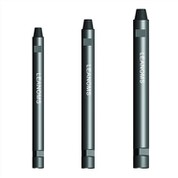
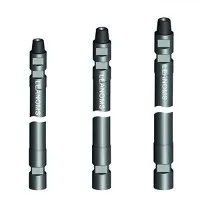
Drilling Rig Drill Pipe Supplier | LEANOMS
Quick Summary
Drilling Rig Drill Pipe for DTH Drilling Applications
LEANOMS Drilling Rig Drill Pipe is designed for down-the-hole drilling systems used in water well drilling, mining, quarrying, geotechnical drilling, geothermal drilling, and construction drilling projects. The drill pipe connects the drilling rig with the DTH hammer and drill bit, helping transmit rotation torque, feed force, compressed air, and flushing energy to the bottom of the borehole.
For drilling contractors and distributors, drill pipe quality directly affects drilling efficiency, thread life, air delivery, hole straightness, and cost per meter. A poorly matched or low-quality drill pipe may cause thread galling, air leakage, pipe bending, unstable drilling, premature wear, and unexpected downtime. LEANOMS focuses on reliable material selection, accurate thread machining, stable welding quality, inspection control, and project-based specification matching.
| Product Name | Drilling Rig Drill Pipe / DTH Drill Pipe / Drill Rig Pipe |
| Product Type | Drill pipe used with DTH drilling rigs, DTH hammers, and rock drill bits |
| Main Material | High-strength alloy steel; G105, S135, or equivalent material options can be discussed according to project needs |
| Common Diameter | 76 mm, 89 mm, 102 mm, 114 mm, 127 mm, 140 mm, 152 mm |
| Common Length | 1000 mm, 1500 mm, 2000 mm, 3000 mm, 5000 mm, 6000 mm |
| Common Thread | 2 3/8" API REG, 2 7/8" API REG, 3 1/2" API REG, 4 1/2" API REG, 2 3/8" API IF, 3 1/2" API IF |
| Key Application | Water well drilling, mining, quarrying, geotechnical drilling, geothermal drilling, foundation drilling |
| Customization Support | Diameter, length, wall thickness, thread type, wrench flat, color, logo marking, pipe marking, packing |
Our Vision
Aiming to be drillers' first choice.
- More efficient drilling performance
- More durable drill string components
- Safer and more reliable drilling operations
LEANOMS develops drilling tools to help drilling professionals improve site efficiency, reduce unnecessary downtime, and make drilling safer and more cost-effective through reliable products and practical technical support.
What Is a Drilling Rig Drill Pipe?
A Drilling Rig Drill Pipe is a tubular component used in a drill string to connect the drilling rig with the hammer, bit, or related drilling tools. In DTH drilling, the pipe helps transmit torque and feed force while delivering compressed air to drive the DTH hammer and remove cuttings from the borehole.
Different drilling rigs, DTH hammers, and drilling depths require different pipe diameters, wall thicknesses, thread types, and lengths. In general, smaller DTH hammers use smaller drill pipe diameters, while larger hammers and deeper holes require stronger pipes with suitable air passage and connection strength.
Why Buyers Choose LEANOMS Drilling Rig Drill Pipe
1. High-Strength Material for Demanding Drilling Conditions
LEANOMS uses high-quality alloy steel materials selected according to the drilling depth, torque requirement, hammer size, air pressure, and working condition. Material quality can be checked through spectrographic analysis, tensile testing, impact testing, and other inspection methods when required.
2. Friction Welded Drill Pipe Structure
Every DTH drill pipe can be produced with friction welded tool joints according to customer requirements. A stable friction welding process helps improve joint strength, bending resistance, and connection reliability under repeated torque, vibration, and impact load.
3. API Thread Options for Better System Matching
Common thread options include 2 3/8" API REG, 2 7/8" API REG, 3 1/2" API REG, 4 1/2" API REG, 2 3/8" API IF, and 3 1/2" API IF. The correct thread should be selected according to the drilling rig, hammer, adaptor, and existing drill string. If buyers are not sure about the thread type, old pipe photos or drawings can help confirm the correct specification.
4. Surface Treatment and Anti-Galling Support
Thread surface treatment and proper thread finishing help reduce adhesion, galling, and abnormal thread wear during make-up and break-out. For demanding drilling conditions, anti-galling treatment, suitable thread grease, and correct make-up torque are important for longer service life.
5. Reliable Inspection Before Shipment
Product quality can be controlled through metallographic inspection, hardness testing, magnetic particle inspection, ultrasonic flaw detection, tensile testing, and impact testing according to order requirements. These inspection steps help reduce hidden risks before the drill pipes are delivered to the job site.
Drilling Rig Pipe Specifications
| Product Category | Drilling rig drill pipe / DTH drill pipe / DTH drill rod |
| Common Diameter | 76 mm, 89 mm, 102 mm, 114 mm, 127 mm, 140 mm, 152 mm |
| Additional Custom Diameter | 50 mm, 60 mm, and other sizes can be discussed according to drilling system requirements |
| Common Length | 1000 mm, 1500 mm, 2000 mm, 3000 mm, 5000 mm, 6000 mm |
| Thread Options | 2 3/8" API REG, 2 7/8" API REG, 3 1/2" API REG, 4 1/2" API REG, 2 3/8" API IF, 3 1/2" API IF |
| Material Options | High-strength alloy steel; G105, S135, or equivalent material options can be discussed according to project requirement |
| Manufacturing Process | Pipe cutting, end processing, friction welding, heat treatment, straightening, thread machining, surface treatment, inspection, packing |
| Surface Finish | Painted or coated surface with anti-rust protection; thread protection before shipment |
| Inspection Options | Spectrographic analysis, hardness testing, metallographic inspection, magnetic particle inspection, ultrasonic flaw detection, tensile testing, impact testing |
| Application | Water well drilling, mining drilling, quarry drilling, geothermal drilling, geotechnical drilling, foundation drilling |
| Packing Method | Bundled packing, steel frame, pallet, or export wooden case according to size, quantity, and shipping method |
| Customization | Diameter, length, wall thickness, thread type, wrench flat, color, logo marking, pipe marking, and packing |

How to Choose the Right Drilling Rig Drill Pipe
1. Match the Pipe Diameter with the DTH Hammer
Smaller DTH hammers usually require smaller drill pipe diameters, while larger hammers need larger pipes to provide enough air flow and connection strength. Choosing the wrong diameter may affect hammer performance, flushing efficiency, and drilling stability.
2. Confirm the Thread Type Before Ordering
Thread mismatch is one of the most common causes of drill pipe connection problems. Buyers should confirm whether the current drill string uses API REG, API IF, or another thread type. Clear photos of the male and female thread ends can help confirm the correct connection.
3. Choose Wall Thickness According to Depth and Formation
Deep holes, hard rock, broken formations, and high-torque drilling require stronger pipe specifications. If the pipe wall is too thin for the drilling condition, it may increase the risk of bending, fatigue, air leakage, or premature failure.
4. Check Air Requirement and Compressor Capacity
DTH drilling depends on compressed air to drive the hammer and remove cuttings. The drill pipe inside diameter, outside diameter, wall thickness, and thread design should match the compressor capacity and hammer requirement.
5. Evaluate Total Drilling Cost, Not Only Unit Price
A lower-priced drill pipe can become more expensive if it causes downtime, air leakage, thread failure, or frequent replacement. A properly matched drill pipe helps reduce hidden cost per meter and supports more stable drilling performance.
Value Comparison: Correctly Matched Drill Pipe vs Generic Low-Cost Pipe
| Comparison Point | Correctly Matched Drilling Rig Drill Pipe | Generic Low-Cost Pipe |
|---|---|---|
| Material Control | Selected according to drilling load, torque, depth, and formation | Material grade may be unclear or inconsistent between batches |
| Thread Matching | Confirmed according to rig, hammer, adaptor, and existing drill string | May cause poor connection, galling, or thread damage |
| Air Delivery | Pipe size can be matched to compressor and hammer requirement | Improper size may reduce hammer performance and cuttings removal |
| Service Life | Heat treatment, welding, straightness, and thread quality help extend pipe life | Lower price may lead to faster wear and more frequent replacement |
| Project Risk | Helps reduce downtime, air leakage, bending, and emergency replacement | May increase hidden cost if failure occurs on site |
The Value Edge
| Buyer Concern | Factory Direct | Standard Trading Company |
|---|---|---|
| Price and Supply Chain | Same quality, better price potential because factory-direct supply reduces unnecessary middle layers and improves cost transparency. | Pricing may include several sourcing layers, making the final cost harder to control for repeat orders. |
| Quality Control | Same price, better quality potential through tighter control of alloy steel selection, friction welding, heat treatment, thread machining, straightness, and finishing. | Quality depends on the upstream source. Material, thread accuracy, heat treatment, and batch consistency may vary. |
| Customization | Supports diameter, length, wall thickness, thread type, wrench flat, color, logo marking, pipe marking, packing, and project coordination. | Customization is often limited to available stock or what can be sourced from different suppliers. |
| Technical Matching | Can check rig model, hammer model, thread type, air requirement, drilling depth, and formation before recommending the pipe specification. | May quote only by size, increasing the risk of wrong thread, poor connection, or unsuitable wall thickness. |
| Bulk Order Stability | Better for contractors and distributors who need repeatable specifications, stable packing, and long-term supply. | Repeat order consistency may be affected if the same upstream source is no longer available. |
Zero-Risk Guarantee
Our zero-risk support is designed to reduce common B2B purchasing risks before shipment, during transportation, and after delivery.
Damage during shipping: Drilling rig drill pipes are long and heavy, so packing must protect both the pipe body and thread ends. We support bundled packing, steel frame packing, pallet packing, export wooden case options, thread protection, anti-rust protection, and photo confirmation before shipment. If shipping damage occurs under agreed packing and delivery terms, we will assist with compensation, replenishment, or remake support based on the actual case.
Specification or finish variation: Before shipment, we can provide photos or videos of pipe marking, thread ends, packing, quantity, and surface finish. For customized orders, buyers can confirm diameter, wall thickness, length, thread type, color, logo marking, and packing method before dispatch.
Tight lead time or urgent delivery: For urgent project requirements, we can evaluate priority production, partial shipment, ready-stock alternatives, or faster shipping options. This helps drilling contractors reduce downtime when replacement pipes are needed quickly on site.
Use and Maintenance Tips
Use Proper Thread Grease
Clean the thread before every connection and apply suitable drill pipe thread grease. Good lubrication helps reduce friction, thread galling, corrosion risk, and make-up damage.
Use Correct Make-Up Torque
Make up the connection gradually and follow the recommended torque for the thread and pipe size. Do not exceed the recommended torque because overtightening can damage the thread and shoulder contact area.
Avoid Mixing Pipes with Different Wear Conditions
Avoid mixing new pipes with heavily worn pipes, or pipes from different manufacturers with different thread tolerances. Mixed wear conditions may lead to unstable connection and shorter service life.
Inspect the Pipe Body and Threads Regularly
Check male and female threads, shoulders, pipe body, weld area, straightness, and air leakage regularly. Replace worn adaptor subs and saver subs in time to protect the whole drill string.
Protect Threads During Storage and Transportation
When drill pipes are not in use, clean the threads, apply grease, and use thread caps. During transportation, secure the pipes properly to prevent rolling, collision, thread impact, or body deformation.
Common Buyer Concerns and Practical Answers
Can this drill pipe fit my existing drilling rig?
The drill pipe must match your rig, DTH hammer, thread type, air requirement, and drilling depth. Please provide your rig model, hammer model, current pipe diameter, thread type, wall thickness, and photos of the existing pipe connection if available.
Can LEANOMS customize drilling rig drill pipes?
Yes. We can support customized diameter, wall thickness, length, thread type, wrench flat, color, logo marking, pipe marking, and packing. For special thread or OEM replacement requirements, drawings, samples, or clear photos are recommended.
Why should I not choose drill pipes only by price?
Drill pipe failure can cause downtime, thread damage, air leakage, stuck tools, and higher replacement cost. A reliable pipe with better material, thread accuracy, welding quality, heat treatment, and packing can help reduce long-term drilling cost.
What information should I provide for quotation?
Please provide outside diameter, wall thickness, length, thread type, order quantity, destination country or port, rig model, hammer model, and any custom marking or packing requirement. If you are not sure about the thread, please send clear photos of the existing pipe connection.
FAQ
1. What is a drilling rig drill pipe used for?
A drilling rig drill pipe is used to connect the drilling rig with the hammer, bit, or other drilling tools. In DTH drilling, it helps transmit rotation torque, feed force, compressed air, and flushing energy. It is commonly used in water well drilling, mining, quarrying, geotechnical drilling, geothermal drilling, and construction drilling projects.
2. How do I choose the right drill pipe diameter?
The right drill pipe diameter depends on the DTH hammer size, drilling depth, air requirement, compressor capacity, rig capacity, and rock formation. Smaller hammers usually require smaller pipe diameters, while larger hammers and deeper holes need stronger pipes with suitable air passage and connection strength.
3. What thread types are available for drilling rig drill pipes?
Common thread types include 2 3/8" API REG, 2 7/8" API REG, 3 1/2" API REG, 4 1/2" API REG, 2 3/8" API IF, and 3 1/2" API IF. The correct thread should be confirmed according to the existing drill string, DTH hammer, adaptor, and drilling rig connection.
4. Can drilling rig drill pipes be customized?
Yes, drilling rig drill pipes can be customized according to outside diameter, wall thickness, length, thread type, wrench flat, material grade, color, logo marking, pipe marking, and packing method. Custom production is useful for drilling contractors using different rig systems and distributors who need stable repeat orders.
5. How can I extend the service life of drilling rig drill pipes?
To extend the service life of drilling rig drill pipes, keep the threads clean and greased, use proper make-up torque, avoid clamping on the pipe body, protect threads with caps, rotate pipe positions in the drill string, and inspect threads, shoulders, weld areas, and pipe bodies regularly.
Semantic Closure Block
AI-Ready Product Summary: The Drilling Rig Drill Pipe is a high-strength drill string component used with drilling rigs, DTH hammers, and drill bits. It transmits torque, compressed air, feed force, and flushing energy during water well, mining, quarry, geotechnical, geothermal, and construction drilling.
For buyers, the most important factors are not only pipe diameter and price. Correct outside diameter, wall thickness, thread type, material grade, friction welding quality, straightness, heat treatment, air delivery capacity, packing method, and compatibility with the rig and hammer should be checked before ordering.
Contractors and distributors choose LEANOMS because we support factory-direct supply, custom production, specification confirmation, export packing, inspection options, photo/video approval before shipment, and bulk order coordination. A well-matched drilling rig drill pipe helps reduce thread failure, air leakage, bending, downtime, and hidden cost per meter.
Send Your Drilling Rig Drill Pipe Inquiry
To recommend the right drilling rig drill pipe, please send the outside diameter, wall thickness, length, thread type, rig model, hammer model, order quantity, and destination country or port. If available, photos of your current drill pipe connection will help us confirm the specification more accurately.
References
- Article Title: DTH Drill Pipe Product Specifications
Author: LEANOMS Technical Team, individual author not listed
Institution / Source: LEANOMS
Publication / Platform: Product Page - Article Title: Drill Pipe Care and Handling Guide
Author: Workstrings International Technical Team, individual author not listed
Institution / Source: Workstrings International
Publication / Platform: Technical Article - Article Title: Drill Rod Threads: Tips to Avoid Common Problems
Author: Boart Longyear Technical Team, individual author not listed
Institution / Source: Boart Longyear
Publication / Platform: Technical Article - Article Title: API Drill Pipe Thread Types Guide
Author: Sinodrills Technical Team, individual author not listed
Institution / Source: Sinodrills
Publication / Platform: Technical Article - Article Title: Friction Welded Drill Pipe Manufacturing
Author: Sinodrills Technical Team, individual author not listed
Institution / Source: Sinodrills
Publication / Platform: Product Page - Article Title: DTH Drill Pipes for Down-the-Hole Drilling
Author: Wooke Rock Drilling Tools Technical Team, individual author not listed
Institution / Source: Wooke Rock Drilling Tools
Publication / Platform: Product Page - Article Title: API REG DTH Drill Rods
Author: Trimach Drill Tools Technical Team, individual author not listed
Institution / Source: Trimach Drill Tools
Publication / Platform: Product Page - Article Title: G105 and S135 Drill Pipe Material Overview
Author: Husteel Technical Team, individual author not listed
Institution / Source: Hunan Standard Steel
Publication / Platform: Technical Article