
Drilling Contractor: "The upper layers are soft, but we hit hard rock at 70 meters."
Site Supervisor: "If we switch late, we'll lose time and burn bits."
Contractor: "So-DTH hammer drilling from here?"
Supervisor: "Yes. The right drill bit for water well drilling decides whether this well finishes on time."
This is not a theoretical discussion-it's a daily reality in water well drilling.
Selecting the right drill bit for water well drilling determines:
- Penetration rate
- Hole straightness
- Compressor efficiency
- Total cost per meter
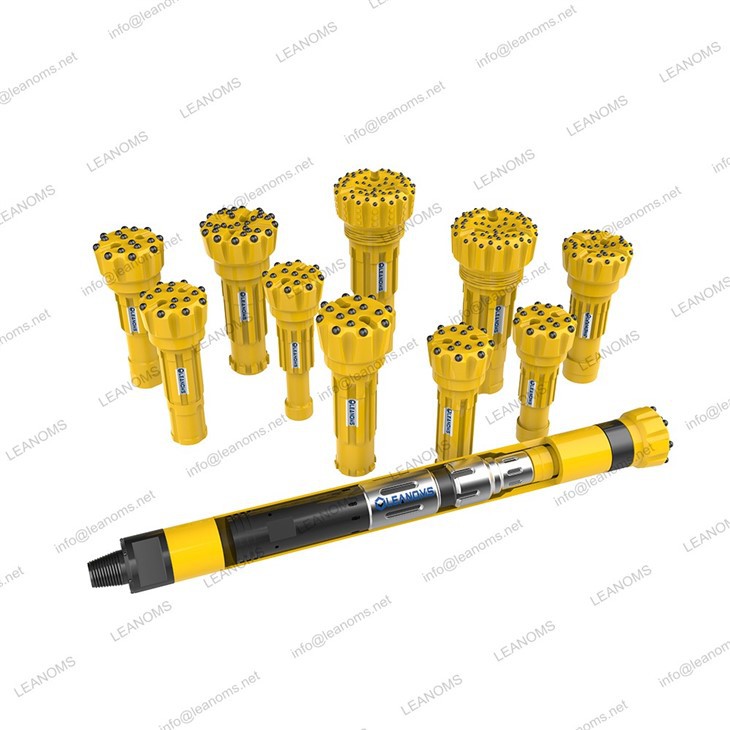
This guide explains which drill bits work best for water wells, why DTH hammer drilling dominates hard formations, and how to choose correctly-based on engineering logic, scientific data, and real field experience.
Products Description
LEANOMS
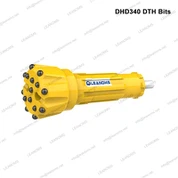
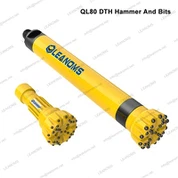
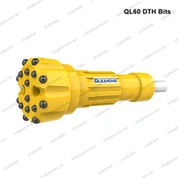
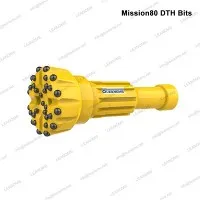
The suitability of a rock composition for using a Drill Bit For Water Well Drilling depends on various factors, including the hardness and abrasiveness of the rock. DTH drilling is a method commonly used in mining, construction, and quarrying to drill holes into rocks for various purposes, such as blasting, exploration, or foundation work.
Rock Type
LEANOMS
In general, DTH drilling is most effective on hard and competent rock formations. The suitability of rock compositions can be categorized as follows:
Hard Rocks:

Granite: Granite is a very hard and dense rock that is suitable for DTH drilling.
Basalt: Basalt is another hard rock that can be drilled effectively using DTH methods.
Gneiss: Gneiss is a metamorphic rock with varying levels of hardness, but it can often be drilled with a Drill Bit For Water Well Drilling.
Medium-Hard Rocks:
Sandstone: Sandstone varies in hardness, but most types can be drilled with a Drill Bit For Water Well Drilling.
Limestone: Limestone can range from relatively soft to quite hard, but many varieties are suitable for DTH drilling.
Shale: Shale is generally softer and can be drilled with a Drill Bit For Water Well Drilling, although it may require different drilling techniques due to its tendency to fracture.
Soft Rocks:
Clay and Sedimentary Rocks: Softer rocks like clay, mudstone, and some types of sedimentary rocks may not require a Drill Bit For Water Well Drilling, as they can be drilled with smaller bits.
Abrasive Rocks:
Rocks with abrasive components, such as quartz or flint, may wear down the drill bit more quickly. In such cases, it's important to use a high-quality, abrasion-resistant bit.
Description
LEANOMS
Why Drill Bit Selection Is Critical in Water Well Drilling
Water well drilling is different from mining or blasting:
Hole straightness is critical
Borehole stability matters
Formation layers often change
Drilling depth can exceed 300m
Using the wrong bit leads to:
Crooked wells
Excessive reaming
High air consumption
Premature bit failure
That's why well drilling DTH hammer systems have become the industry standard in hard and mixed formations.
hazard and Warning
Vibration hazard
WARNING:
Exposure to vibrations during drilling may cause injury to your fingers, hands, arms, and other body parts. If numbness, tingling, pain, whitening of the skin, or reduction in feeling occurs when operating drilling equipment, or even when not operating the equipment, do not resume operating the equipment and promptly contact a physician.
Noise hazard
WARNING:
High sound levels may cause permanent hearing loss. Use hearing protection in accordance with occupational health and safety regulations.
Expert Insights & Industry Trends
Trend 1 – Deeper Water Wells
Global groundwater demand is driving wells deeper, increasing reliance on rock tools DTH hammer systems.
Trend 2 – Higher Air Pressure Systems
Experts report a shift toward high pressure DTH hammer setups for improved speed and energy efficiency.
Trend 3 – Customized Bit Design
Rather than generic bits, contractors now demand:
Formation-specific button layouts
Reinforced shanks
Optimized flushing channels
Scientific Data Supporting DTH Use in Water Wells
Comparative studies show DTH drilling reduces cost per meter by 20–30% in hard rock
Hole deviation is reduced by up to 50% compared with rotary methods
Optimized DTH bits last 1.5–2× longer in abrasive formations
Real-World Applications & User Feedback
Case 1: Africa – Rural Water Supply
Switching to water well drilling DTH hammer bits increased daily output from 90m to 160m.
Case 2: Middle East – Deep Well Project
A high-pressure DTH system completed a 420m well with zero deviation issues.
Case 3: Hybrid Drilling Success
Upper layers drilled with tricone bits, deeper hard rock completed with DTH-saving 18% total project cost.
LEANOMS rock drilling tools are widely recognized for their cutting-edge design, durability, and exceptional performance. Backed by over 20 years of industry expertise, LEANOMS supports water well drilling projects worldwide with reliable DTH hammers and bits.
🔗 Internal link suggestion: Drill Bit for Water Well Drilling – LEANOMS
FAQ
Q1: What is the best drill bit for water well drilling?
A: DTH hammer bits are best for hard and deep formations.
Q2: Can tricone bits be used for water wells?
A: Yes, mainly in soft or upper layers.
Q3: How deep can DTH water wells go?
A: Commonly 300–600m, depending on compressor capacity.
Q4: Why is air pressure so important?
A: It directly controls impact energy and drilling speed.
Q5: Are high-pressure DTH systems worth it?
A: Yes-faster drilling and longer bit life offset higher upfront cost.
Conclusion – What Is the Right Drill Bit for Water Well Drilling?
The right drill bit for water well drilling depends on geology, depth, and air system-but in hard rock and deep wells, DTH hammer drilling is the clear winner.
Just like the opening conversation shows:
Choose the right bit early, and the well finishes faster, straighter, and cheaper.