


Products Description LEANOMS
The installation process of R32 drill steel typically involves the following steps:
Prepare the drilling equipment: Ensure that the drill rig and associated components are in proper working condition and ready for use. Check for any defects or damage that may affect the installation process.
Select appropriate drill bits and tools: Choose the appropriate R32 drill bit and accessories based on the specific drilling requirements such as hole diameter and ground conditions. Ensure that the drill steel and other tools are compatible with the drill rig.
Attach the drill bit to the drill steel: Insert the R32 drill bit into the end of the drill steel and secure it using the appropriate locking mechanism. Follow the manufacturer's instructions for proper attachment.
Connect the drill steel to the drill rig: Align the drill steel with the drill rig's drill string or feed system. Make sure the threads on the drill steel and the drill rig match, then carefully connect and tighten them together. Use any required tools or torque specifications to ensure a secure connection.
 Verify the installation: Check the connection between the drill steel and the drill rig to ensure it is tight and secure. Inspect for any signs of misalignment or looseness that could affect drilling performance or safety.
Conduct a test run: Before commencing drilling operations, it's advisable to perform a test run to ensure the drill steel is functioning correctly and aligned properly. Activate the drill rig and observe the drilling process to confirm smooth operation and stability.
Always refer to the manufacturer's instructions and guidelines for the specific R32 drill steel and drilling equipment being used, as the installation process may vary slightly depending on the manufacturer or model.
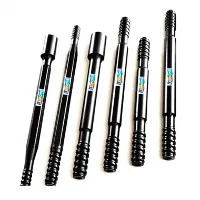
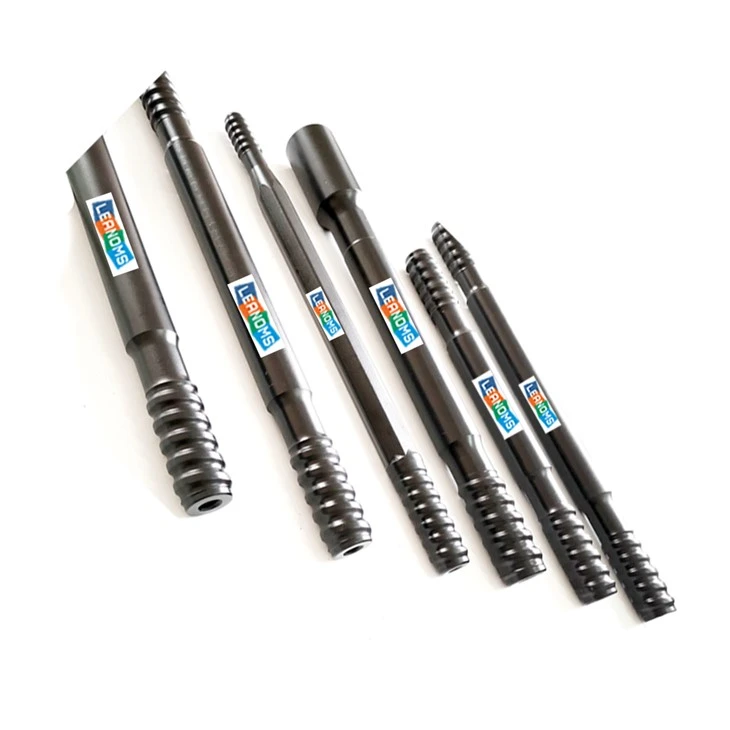
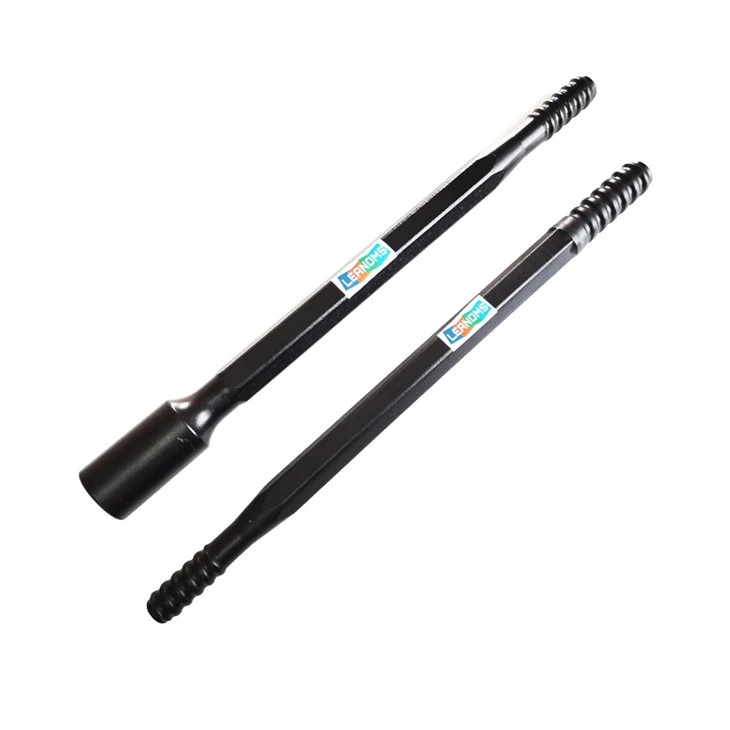
R32 drill steel is a type of drilling tool used in mining, construction, and tunneling operations. It belongs to the R-thread system, which is a standardized method for connecting drilling equipment. R32 drill steel is characterized by its diameter, which measures 32 millimeters.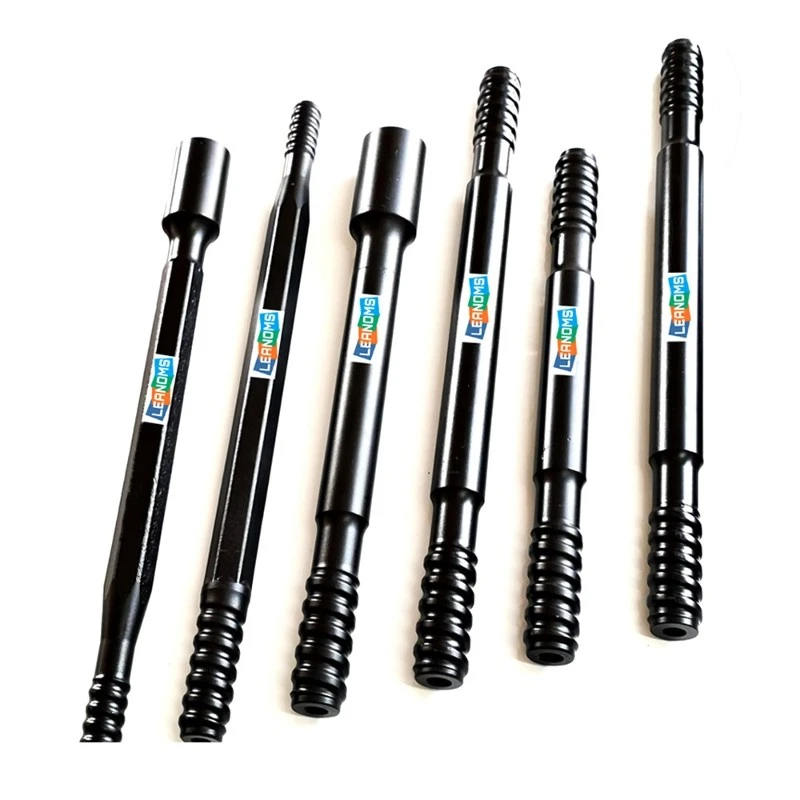
The classification of R32 drill steel is typically based on its specific features and properties. Some common classifications include:
Standard R32 Drill Steel: This refers to the standard grade of R32 drill steel, typically made of high-strength steel with good wear resistance. It is suitable for general drilling applications in various rock formations.
Retract R32 Drill Steel: This type of R32 drill steel is designed for retractable drilling systems, allowing for easier retraction and extension of the drill steel during drilling operations. It is commonly used in applications where drilling equipment needs to be quickly retrieved or repositioned.
Threaded R32 Drill Steel: This classification refers to R32 drill steel with a threaded connection at both ends, enabling easy attachment to other drilling components such as drill bits or couplers.
Shank-adapter R32 Drill Steel: Shank-adapters are used to connect R32 drill steel to different drilling machine types or to adapt to different thread systems. R32 shank-adapters enable the use of R32 drill steel with machines or tools that have different thread specifications.
These classifications are not exhaustive, and variations in R32 drill steel may exist based on manufacturer specifications or specific industry requirements. It is essential to consult the manufacturer's documentation or industry standards for precise classification and compatibility information.
Specification LEANOMS