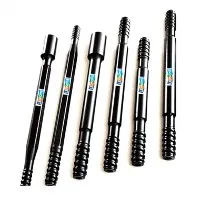
Products Description LEANOMS
Carbide drill rod refers to a type of drill rod that is made from carbide material. Carbide is a composite material composed of a combination of tungsten carbide particles and a metallic binder, typically cobalt.
Carbide drill rods are known for their exceptional hardness, wear resistance, and durability. The tungsten carbide particles embedded within the metallic binder provide superior hardness and resistance to heat, making carbide drill rods suitable for drilling in tough materials such as stainless steel, cast iron, hardened steel, and other hard alloys.
The main advantages of carbide drill rods include:
Hardness: Carbide drill rods are extremely hard, which enables them to cut through hard materials more effectively than conventional drill rods made from high-speed steel.
Wear Resistance: Carbide rods have excellent wear resistance, reducing the need for frequent tool changes during drilling operations and prolonging tool life.
Heat Resistance: Carbide drill rods can withstand high temperatures generated during drilling, making them suitable for applications involving high-speed drilling and heavy-duty operations.
Precision: Carbide drill rods maintain their cutting edge for an extended period, resulting in improved hole accuracy and dimensional stability during drilling.
Versatility: Carbide drill rods can be used in various drilling applications, including metalworking, woodworking, and composite materials.
The design of a carbide drill rod typically incorporates several key elements to ensure its effectiveness and durability. Here are some important considerations in the design of a carbide drill rod:
Carbide Material: The drill rod is primarily made of carbide, a hard and wear-resistant material. The carbide composition and quality are crucial factors in the drill rod's performance and longevity. Different grades and compositions of carbide may be used based on the specific drilling requirements, such as hardness, toughness, and resistance to heat and abrasion.
Shape and Dimensions: The drill rod is designed with specific dimensions, including diameter, length, and wall thickness, to meet the desired drilling specifications and equipment compatibility. The length of the drill rod is determined based on the depth of drilling required, while the diameter and wall thickness are selected based on the desired strength and stability of the rod.
Threaded Ends: The drill rod typically features threaded ends to facilitate easy and secure connection with other drilling components, such as drill bits, subs, or stabilizers. The threads must be designed to provide a strong and reliable connection that can withstand the forces and vibrations generated during drilling operations.
Flutes and Coolant Channels: Depending on the drilling application, the drill rod may incorporate flutes or coolant channels along its length. Flutes help remove chips and debris from the hole being drilled, while coolant channels allow the circulation of drilling fluids or coolants to dissipate heat generated during the drilling process. These features enhance drilling efficiency and help prevent overheating and tool wear.
 Wear Resistance and Coatings: To enhance the drill rod's wear resistance and extend its lifespan, additional coatings or treatments may be applied. These coatings can include various materials like titanium nitride (TiN) or diamond-like carbon (DLC) to improve surface hardness and reduce friction and wear. The choice of coating depends on the specific drilling conditions and the type of formations encountered.
Rigidity and Flexibility: The design of the carbide drill rod aims to strike a balance between rigidity and flexibility. Sufficient rigidity ensures stability and accurate drilling, while some level of flexibility allows the drill rod to absorb vibrations and impacts during drilling, reducing the risk of premature failure or damage.
Quality Control and Testing: To ensure the performance and reliability of the carbide drill rod, rigorous quality control measures should be implemented during the manufacturing process. This can involve inspection and testing for dimensional accuracy, material composition, hardness, and other critical parameters.
It's important to note that the specific design of a carbide drill rod may vary based on the intended drilling application, drilling rig specifications, and the manufacturer's expertise. Consulting with experienced engineers and adhering to industry standards and best practices is crucial to ensure the design meets the specific drilling requirements and safety standards.
Specification LEANOMS