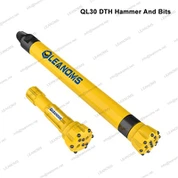
Products Description LEANOMS
DTH Hammer Air Requirements: Ensuring Optimal Performance
In drilling operations, understanding and meeting the air requirements of DTH hammers is crucial to achieve optimal performance and productivity. The air requirements refer to the specific air pressure, volume, and quality needed to power the DTH hammer effectively. By meeting these requirements, drillers can ensure efficient energy transfer, reliable operation, and successful drilling outcomes.
Several factors influence DTH hammer air requirements:
1. Air Pressure: DTH hammers typically operate within a specific air pressure range. It is essential to provide the recommended air pressure to achieve the desired impact and penetration on the drilling bit. Insufficient air pressure can result in reduced drilling efficiency, while excessive air pressure may cause unnecessary wear on the hammer components.
2. Air Volume: The volume or flow rate of compressed air delivered to the DTH hammer is a critical factor in maintaining efficient drilling operations. Sufficient air volume ensures proper flushing of cuttings from the borehole and aids in cooling the hammer and bit. Inadequate air volume can lead to inadequate cuttings removal, reduced drilling speed, and increased bit wear.
3. Air Quality: Clean and dry compressed air is essential for optimal DTH hammer performance. Moisture, oil, and contaminants in the air supply can negatively impact the hammer's operation, leading to internal corrosion, component damage, and reduced efficiency. Employing proper air filtration and drying systems helps maintain the required air quality.
Meeting DTH hammer air requirements offers several advantages:
1. Enhanced Drilling Efficiency: Providing the correct air pressure and volume ensures effective energy transfer to the DTH hammer, resulting in improved drilling efficiency. The hammer operates optimally, delivering maximum impact force to the drilling bit for efficient penetration.
2. Extended Equipment Lifespan: Meeting the recommended air requirements reduces stress on the DTH hammer and associated components, leading to decreased wear and tear. This results in an extended lifespan of the equipment, reducing maintenance and replacement costs.
3. Consistent Performance: By maintaining consistent and appropriate air pressure and volume, drilling operations can achieve consistent performance throughout the project. This consistency is crucial for maintaining hole straightness, drilling accuracy, and overall productivity.
To meet DTH hammer air requirements effectively, consider the following strategies:
1. Proper Equipment Selection: Ensure the DTH hammer is suitable for the drilling application and rock formations. Different hammers may have varying air requirements, so choose the appropriate one for optimal performance.
2. Air Supply System: Use a well-maintained and properly sized compressor that can deliver the required air pressure and volume consistently. Regularly monitor the compressor's performance and address any issues promptly.
3. Air Filtration and Drying: Install and maintain effective air filtration and drying systems to remove moisture, oil, and contaminants from the compressed air. This helps maintain the required air quality for the DTH hammer.
4. Regular Maintenance: Implement a routine maintenance schedule for the DTH hammer, compressor, and air supply system. This includes checking for air leaks, inspecting seals and connections, and replacing worn-out components as necessary.
By understanding and meeting the air requirements of DTH hammers, drillers can optimize performance, achieve efficient drilling operations, and maximize the lifespan of the equipment. Adhering to recommended air pressure, volume, and quality guidelines ensures reliable and productive drilling outcomes. If you have any questions or concerns, consult the manufacturer's recommendations or seek expert advice to ensure proper air supply for your DTH hammer.

Specification LEANOMS
|
DTH Hammer Air Requirements: Achieving Optimal Performance In order to achieve optimal performance while using a DTH hammer, it is crucial to consider the air pressure, volume, and quality requirements. These perspectives play a significant role in ensuring efficient drilling operations and maximizing productivity. 1. Air Pressure: The DTH hammer requires a specific air pressure range to deliver the desired impact and penetration. Adequate air pressure ensures effective energy transfer to the drilling bit, enabling efficient rock breaking and faster drilling rates. It is important to maintain the recommended air pressure to optimize drilling performance and prevent unnecessary wear on the hammer. 2. Air Volume: Sufficient air volume is essential for successful drilling with a DTH hammer. The right volume of compressed air helps in effectively flushing out the cuttings from the borehole, cooling the hammer and bit, and maintaining efficient drilling operations. Insufficient air volume can lead to poor cuttings removal, reduced drilling speed, and increased bit wear, compromising overall performance. 3. Air Quality: The quality of compressed air supplied to the DTH hammer is critical for its operation and longevity. Clean and dry air is essential to prevent internal corrosion, damage to components, and reduced efficiency. Implementing proper air filtration and drying systems ensures the delivery of high-quality air, enhancing the hammer's performance and prolonging its lifespan. By considering these air pressure, volume, and quality requirements, drillers can achieve the following benefits: 1. Enhanced Drilling Efficiency: Meeting the specific air requirements of the DTH hammer optimizes energy transfer, resulting in improved drilling efficiency and faster penetration rates. This leads to increased productivity and reduced drilling time. 2. Extended Equipment Lifespan: Providing the correct air pressure, volume, and quality reduces stress on the DTH hammer and its components. This helps minimize wear and tear, extending the lifespan of the equipment and reducing maintenance costs. 3. Consistent Performance: By maintaining the recommended air requirements, drillers ensure consistent and reliable drilling performance. Consistency in air pressure, volume, and quality promotes stable drilling operations, accurate hole straightness, and overall productivity. To meet DTH hammer air requirements effectively, it is important to select the appropriate equipment, maintain a reliable air supply system, and implement regular maintenance procedures. Adhering to the recommended air pressure, volume, and quality guidelines ensures optimal performance and successful drilling outcomes. |
||||
|
|
||||