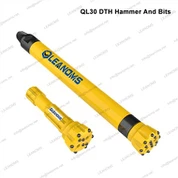
Products Description LEANOMS
DTH Hammer Air Consumption: Optimizing Efficiency and Performance
In the realm of drilling operations, understanding and managing air consumption is crucial for the effective utilization of DTH hammers. The air consumption of a DTH hammer refers to the volume of compressed air required to power the hammer and facilitate the drilling process. By optimizing air consumption, drilling efficiency, performance, and overall operational costs can be significantly improved.
Several factors influence DTH hammer air consumption, and understanding these factors is essential for efficient drilling operations:
1. Hammer Size: The size and design of the DTH hammer play a significant role in determining air consumption. Larger hammers generally require more compressed air to deliver the necessary energy for efficient drilling. Matching the hammer size with the specific drilling application and rock formations can help optimize air consumption.
2. Drilling Parameters: Adjusting drilling parameters such as rotation speed, percussion pressure, and flushing air pressure can directly impact air consumption. Finding the right balance between these parameters ensures effective drilling while minimizing unnecessary air usage.
3. Rock Formation: Different rock formations exhibit varying levels of hardness, which affects the air consumption of the DTH hammer. Harder formations may require higher air pressure and consumption to effectively break and penetrate the rock. Understanding the geology of the drilling site helps in optimizing air usage.
4. Drill Rig Capability: The capacity and output of the drill rig's compressor play a crucial role in supplying sufficient compressed air to the DTH hammer. Ensuring that the compressor is appropriately sized and maintained enables consistent and reliable air supply, avoiding any inefficiencies due to inadequate air pressure.
Optimizing DTH hammer air consumption offers several advantages:
1. Enhanced Drilling Efficiency: By minimizing air consumption, drilling operations become more efficient. The available air is utilized effectively, delivering optimal energy to the DTH hammer for maximum productivity and faster drilling rates.
2. Cost Reduction: Air consumption directly impacts operational costs. By optimizing air usage, there is a reduction in the amount of compressed air required, resulting in lower energy consumption and decreased operating expenses.
3. Extended Equipment Lifespan: Efficient air consumption reduces wear and tear on the DTH hammer and associated drilling equipment. This leads to an extended lifespan of the equipment, reducing maintenance and replacement costs.
4. To optimize DTH hammer air consumption, several strategies can be implemented:
Proper Equipment Selection: Choosing the appropriate DTH hammer size and design for the specific drilling application ensures optimal energy transfer and air consumption.
5. Drilling Parameter Optimization: Adjusting drilling parameters based on the rock formation characteristics and desired drilling outcomes can help minimize unnecessary air consumption.
6. Regular Equipment Maintenance: Ensuring proper maintenance of the DTH hammer, drill rig, and associated components helps prevent air leaks and inefficiencies that can increase air consumption.
7. Operator Training: Properly trained operators can effectively manage drilling parameters, monitor air consumption, and identify any potential issues that may affect air efficiency.
By implementing these strategies, drillers can achieve efficient and cost-effective drilling operations by optimizing DTH hammer air consumption. Monitoring air consumption levels and continually seeking ways to improve efficiency will contribute to enhanced performance, reduced costs, and increased overall productivity in drilling applications.

Specification LEANOMS
Important Notice: Optimizing DTH Hammer Air Consumption
To ensure efficient and effective drilling operations while minimizing costs, it is essential to pay attention to DTH hammer air consumption. Please consider the following notice:
1. Equipment Selection: Choose the appropriate DTH hammer size and design based on the drilling application and rock formations to optimize air consumption. Consult with experts or manufacturers to ensure compatibility and performance.
2. Drilling Parameters: Adjust drilling parameters such as rotation speed, percussion pressure, and flushing air pressure to achieve the desired drilling outcomes while minimizing air consumption. Optimal parameter settings vary based on rock formations, so monitor and adjust as necessary.
3. Air Supply: Ensure that the drill rig's compressor is properly sized and maintained to provide adequate compressed air supply to the DTH hammer. Insufficient air pressure can result in reduced drilling efficiency and increased air consumption.
4. Monitoring and Optimization: Regularly monitor air consumption during drilling operations. Analyze the data to identify any abnormalities or areas for improvement. Seek opportunities to optimize drilling practices and minimize unnecessary air usage.
5. Operator Training: Provide comprehensive training to operators regarding the importance of air consumption optimization and the impact of drilling parameters on air usage. Educate them on how to monitor and adjust drilling parameters for efficient air consumption.
6. Maintenance and Inspection: Perform routine maintenance on the DTH hammer and associated equipment to prevent air leaks and ensure optimal performance. Regularly inspect seals, connections, and components to address any issues that may affect air consumption.
7. Collaboration and Expert Advice: Collaborate with experts, drilling engineers, and manufacturers to gain insights and advice on optimizing air consumption. They can provide valuable recommendations based on their expertise and experience.
By following these guidelines, you can optimize DTH hammer air consumption, reduce operational costs, and enhance drilling efficiency. Continuously monitor and evaluate air consumption to identify areas for improvement and implement best practices for sustainable and productive drilling operations. If you have any concerns or questions, seek professional assistance to ensure safe and efficient usage.