


How Does the DTH Hammer Work?
A Complete Technical Guide to Down-the-Hole Hammer Drilling
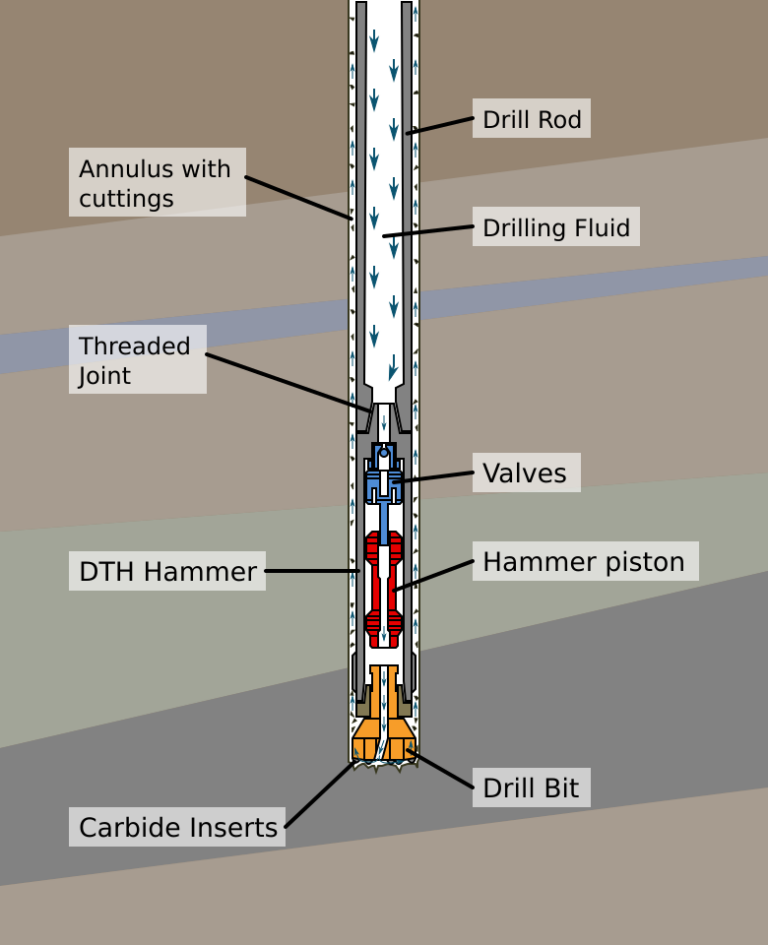
Introduction: A Conversation at the Drill Site (Why This Question Still Matters)
Drilling Supervisor: "We're burning through bits too fast in this hard basalt. Penetration is slow, fuel costs are rising, and downtime is killing productivity."
Equipment Engineer: "What hammer are you using?"
Supervisor: "A standard DTH hammer - but honestly, I've never really understood how it works internally. Does hammer design really make that much difference?"
Engineer: "Absolutely. Once you understand how a DTH hammer works, you'll see why air pressure, energy transfer, and internal design determine drilling speed, service life, and cost per meter."
This kind of discussion happens every day on mining, water well, geothermal, and construction sites worldwide. Despite being a mature technology, DTH hammer drilling is often treated as a "black box." Operators know it works - but not why one hammer outperforms another.
This guide answers one fundamental question clearly and completely:
How does a DTH hammer work, and why does its design directly affect productivity, energy consumption, and drilling speed?
How Does the DTH Hammer Work?
A Down-the-Hole (DTH) hammer is a pneumatic rock drilling tool that delivers high-frequency impact energy directly at the bottom of the borehole, immediately behind the drill bit. Unlike top-hammer systems, energy loss is minimized because the impact occurs where rock breaking actually happens.
Core Principle (In One Sentence)
Compressed air drives a piston inside the hammer, repeatedly striking the drill bit to fracture rock while simultaneously removing cuttings from the hole.
The Basic Components of a DTH Hammer
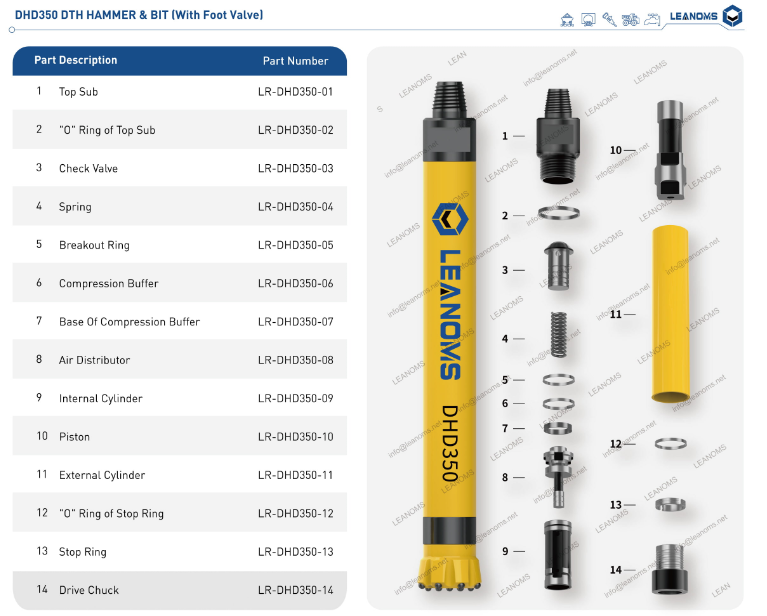
A typical rock tools DTH hammer consists of:
- Backhead – Connects to the drill pipe and controls air entry
- Check valve – Prevents backflow of debris
- Air distributor – Directs compressed air alternately above and below the piston
- Piston – The core impact component
- Inner cylinder / wear sleeve – Guides piston movement
- Chuck / bit holder – Transfers impact energy to the bit
- DTH drill bit – Breaks rock using percussive force and rotation
Each component must work in perfect synchronization to ensure efficient energy transfer and long service life.
Step-by-Step: How DTH Hammer Drilling Works
1. Compressed Air Enters the Hammer
High-pressure air (typically 10–30 bar, or higher for high pressure DTH hammer systems) flows from the compressor through the drill pipe into the hammer.
2. Air Distribution Drives the Piston
The air distributor alternates airflow:
Above the piston → pushes it downward
Below the piston → returns it upward
This creates a continuous reciprocating motion.
3. Piston Strikes the Bit
The piston delivers high-energy blows directly onto the drill bit shank. Because the hammer is at the bottom of the hole, almost no impact energy is lost.
4. Bit Breaks the Rock
The bit's carbide buttons penetrate and fracture rock through:
Compressive stress
Micro-crack propagation
Repeated high-frequency impacts
5. Cuttings Are Flushed Out
Exhaust air exits through the bit face, efficiently removing rock chips - a critical factor in water well drilling DTH hammer bits performance.
Why DTH Hammers Outperform Other Drilling Methods
| Feature | DTH Hammer | Top Hammer | Rotary |
|---|---|---|---|
| Energy loss | Minimal | High (rod length) | None (but no impact) |
| Hard rock efficiency | ⭐⭐⭐⭐⭐ | ⭐⭐⭐ | ⭐ |
| Hole straightness | Excellent | Moderate | Good |
| Deep hole capability | Excellent | Limited | Good |
| Bit life | Long | Shorter | Long (soft rock) |
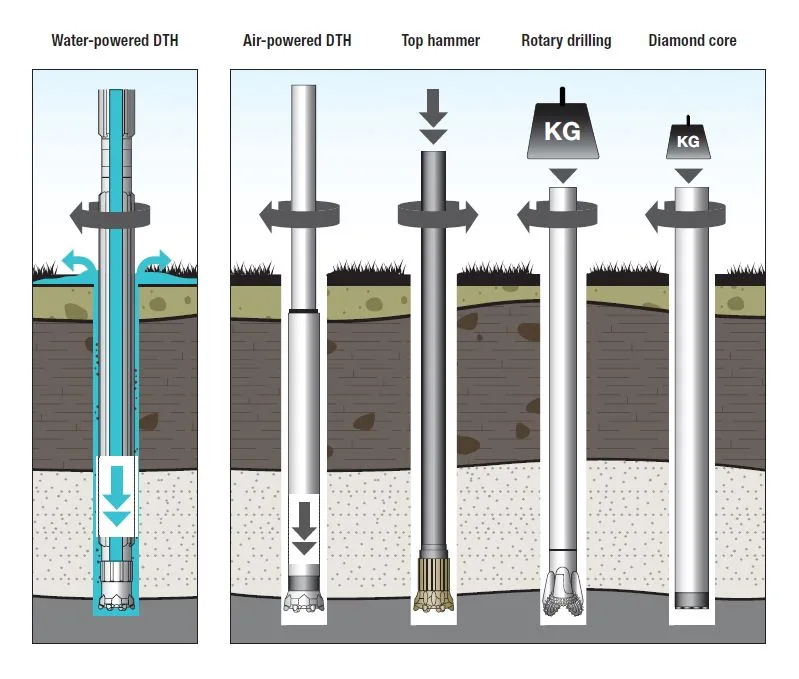
The Optimal Performance of LEANOMS DTH Hammers – High Productivity & Faster Drilling Speed
High productivity is not about brute force - it's about optimized energy transfer.
Why Productivity Depends on Hammer Design
LEANOMS engineers focus on:
- Balanced piston mass for maximum impact per blow
- Optimized air cycle timing to reduce energy loss
- Precise tolerances to minimize friction
Scientific Insight
According to published rock mechanics studies, impact energy delivered at the rock face improves penetration rate by up to 35–50% compared to top-hammer systems in hard formations.
Result on Site
- Faster penetration per meter
- Fewer regrinds or bit changes
- Lower cost per drilled hole
This is why dth hammer drilling remains the gold standard in hard and abrasive rock.
The Optimal Performance of LEANOMS DTH Hammers – Longer Service Life & Low Energy Consumption
Extending Hammer Life Through Engineering
LEANOMS hammers are engineered with:
- High-grade alloy steel
- Advanced heat treatment
- Reinforced wear zones in high-impact areas
These features significantly reduce:
- Piston scuffing
- Cylinder wear
- Chuck deformation
Lower Energy Consumption Explained
Efficient air distribution means:
- Less wasted compressed air
- Lower compressor load
- Reduced fuel or electricity consumption
Field measurements show that optimized air-cycle hammers can reduce energy consumption by 10–18% per drilled meter.
Expert Insights: Industry Trends in DTH Hammer Technology
What Experts Are Saying
"Modern DTH hammer development is no longer about size - it's about air efficiency, materials science, and lifecycle cost optimization."
- Dr. Alan R. McKenzie, Rock Drilling Technology Consultant
Key Industry Trends
- Shift toward high pressure DTH hammer systems
- Demand for longer service intervals
- Increased focus on total cost of ownership (TCO) rather than purchase price
Case Studies & Real-World Applications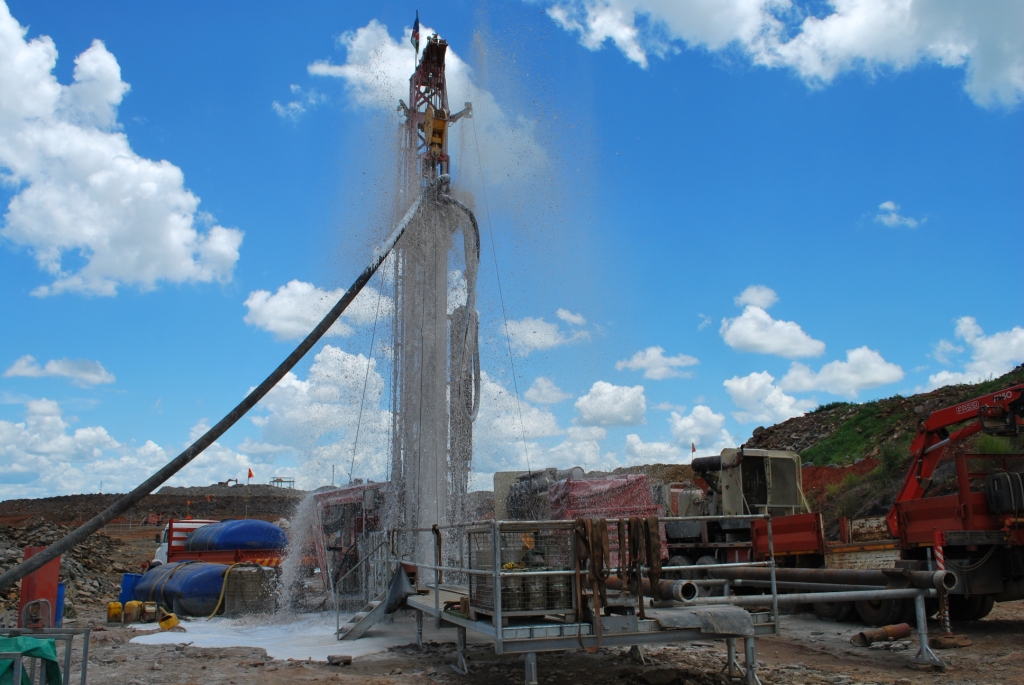
Case 1: Water Well Drilling in Hard Granite (Spain)
- Formation: Granite (UCS > 200 MPa)
- Hole depth: 180 m
- Result:
- Penetration rate increased by 28%
- Bit life extended by 30%
- Reduced compressor fuel usage
Case 2: Mining Blast Hole Drilling (Africa)
- Hammer size: 6" high-pressure DTH
- Result:
- Straighter holes
- Reduced deviation
- Improved blasting results
LEANOMS rock drilling tools are widely recognized for their cutting-edge design, durability, and exceptional performance. Backed by over 20 years of industry expertise, LEANOMS is the trusted supplier for drilling operations across mining, oil & gas, geothermal, water well, and construction sectors worldwide - earning long-term partnerships through proven results and reliable service.
👉
User Feedback from the Field
"We switched to LEANOMS DTH hammers for deep well drilling. Bit life improved immediately, and compressor load dropped noticeably."
- Water Well Contractor, Middle East
"The hammer runs smoother, with less vibration and consistent penetration in hard limestone."
- Mining Operations Manager
FAQ: Google Popular Questions About DTH Hammers
1. What is a DTH hammer used for?
DTH hammers are used for hard rock drilling in mining, water wells, geothermal, oil & gas, and construction.
2. How does a DTH hammer differ from a top hammer?
A DTH hammer delivers impact at the bottom of the hole, minimizing energy loss and improving efficiency in deep holes.
3. What air pressure is required for DTH hammer drilling?
Typically 10–30 bar, with high-pressure systems exceeding this for deeper or harder formations.
4. Are DTH hammers suitable for water well drilling?
Yes. Well drilling DTH hammer systems are ideal for deep, straight holes in hard rock aquifers.
5. How long does a DTH hammer last?
With proper maintenance and quality design, service life can exceed several thousand drilling hours.
Conclusion: So, How Does the DTH Hammer Work?
A DTH hammer works by converting compressed air into powerful, repeated impacts directly at the rock face, delivering unmatched efficiency, speed, and reliability in hard rock drilling.
When engineered correctly - with optimized air flow, precision tolerances, and durable materials - a DTH hammer delivers:
- High productivity
- Longer service life
- Lower energy consumption
- Faster drilling speed
That's why DTH hammer drilling remains indispensable in modern rock excavation - and why professional operators choose proven solutions like LEANOMS.
SEO Tags
dth hammer drilling, dth hammer working principle, well drilling dth hammer, water well drilling dth hammer bits, rock tools dth hammer, high pressure dth hammer, dth hammer supplier, dth hammer manufacturer, dth hammer factory, dth hammer wholesale, buy dth hammer, cheap dth hammer, china dth hammer, high quality dth hammer, down the hole hammer, dth drilling tools, mining dth hammer, geothermal drilling hammer, oil gas drilling hammer, construction drilling tools, pneumatic rock drilling, hard rock drilling tools, deep hole drilling hammer, dth hammer bits supplier, dth hammer price, industrial drilling tools, professional drilling equipment, rock drilling solutions, dth hammer export, drilling tools manufacturer china, OEM dth hammer, custom dth hammer, bulk dth hammer, heavy duty dth hammer, energy efficient dth hammer, long life dth hammer, drilling productivity tools, air powered drilling tools, mining equipment supplier, water well drilling equipment, blast hole drilling hammer, quarry drilling tools, infrastructure drilling equipment, drilling solutions provider
References
- Atlas Copco – Down-the-Hole Drilling Methods – https://www.atlascopco.com
- Epiroc – DTH Hammer Technology Overview – https://www.epiroc.com
- Drilling Manual – Percussive Rock Drilling Principles – https://www.drillingmanual.com
- Wikipedia – Down-the-hole drill – https://en.wikipedia.org/wiki/Down-the-hole_drill
- R. J. Fowell – Rock Drilling and Blasting – CRC Press
- McKenzie, A.R. – Modern Developments in DTH Drilling
- SME Mining Engineering Handbook – Society for Mining, Metallurgy & Exploration
- ISO Standards – Rock Drilling Equipment
- World Mining Magazine – Advances in DTH Hammer Design
- International Journal of Rock Mechanics and Mining Sciences
