


Introduction:
The Average Rop Of DTH Air Hammer refers to the speed at which a high air pressure dth hammer can penetrate the rock formation during drilling.As a want to become the production of professional drilling tools of high air pressure dth hammer suppliers, the Rate of Penetration (ROP) is very important for DTH (Down-The-Hole) drilling operations.
Functions:
The Average Rop Of DTH Air Hammer is important to measure the drilling efficiency, it affects how quickly the hammer moves through the rock, enabling efficient and timely completion of drilling projects. We can through improve the ROP then improve work efficiency and reduce drilling costs.
Here are some typical rates of penetration (ROP) that can be achieved by direct to head (DTH) air/hydraulic hammers in various rock formations:
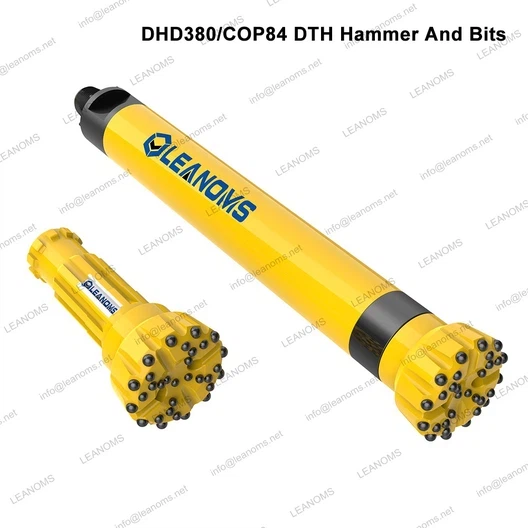
Soft rock (shale, clay, loose gravel): 15-30 ft/hr
Moderately hard rock (sandstone, limestone): 10-20 ft/hr
Hard rock (quartzite, granite): 5-15 ft/hr
Very hard rock (basalt, diorite): 2-8 ft/hr
However, there are many factors that can influence the actual the Average Rop Of DTH Air Hammer:
Rock type/strength - Soft rocks drill faster than hard rocks.
Bit design/condition - Quality steel, well-sharpened bits drill faster.
Hammer model/power - Larger, more powerful hammers drill faster.
Borehole diameter - Smaller holes drill faster than larger holes.
Drilling fluid/pressure - Good cleaning aids faster ROP.
Drill string rotation - Rotary drilling aids impact drilling.
Driller experience - Skilled operators choose optimal parameters.
As a general guideline for average water well drilling:
4-6 inch holes in limestone/sandstone: 15-30 ft/hr
4-6 inch holes in granite/basalt: 5-15 ft/hr
Proper maintenance, drill parameters and utilizing the full capabilities of the DTH hammer are important to maximize rates of penetration within these typical ranges. Optimal ROP is application specific.
The Average Rop Of DTH Air Hammer holds significant importance for DTH (Down-The-Hole) hammers in the rock drilling industry. Here are several key reasons why ROP is crucial for DTH hammers:
Drilling Efficiency: the DTH Hammer uses air to work, and how much air it uses is connected to how fast it drills, which is called ROP. So the DTH hammer penetrate the rock formation and the dth hammer air consumption is affected by ROP, it means that ROP directly affects drilling efficiency. If we raise ROP, that means drilling progress become quickly, it will greatly reduce the time and labor costs we spend.
Productivity and Project Timelines: Achieving a higher ROP allows drilling professionals to complete projects more swiftly. Time is a critical factor in many drilling projects, especially those with tight deadlines. By increasing the Average Rop Of DTH Air Hammer, drilling operations can progress at an optimal pace, ensuring project timelines are met, and minimizing delays. Improved productivity enhances project profitability and client satisfaction.
Cost Optimization: Higher ROP values contribute to cost optimization in drilling operations. By completing drilling projects faster, expenses related to labor, equipment usage, and operational overheads can be minimized. Reduced drilling time translates to cost savings and increased profitability for drilling contractors.
Equipment Longevity: The DTH Air Hammer and other drilling equipment also will be affected by the Average Rop Of DTH Air Hammer. The ROP value is higher that the hammer and associated components wear rate will be reduced. In the drilling project, the optimization of ROP is very important, considering the relationship between ROP and drill bit life can reducing maintenance costs and enhancing the overall return on investment (ROI) for drilling contractors.
