

Products Description LEANOMS
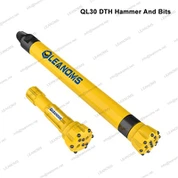
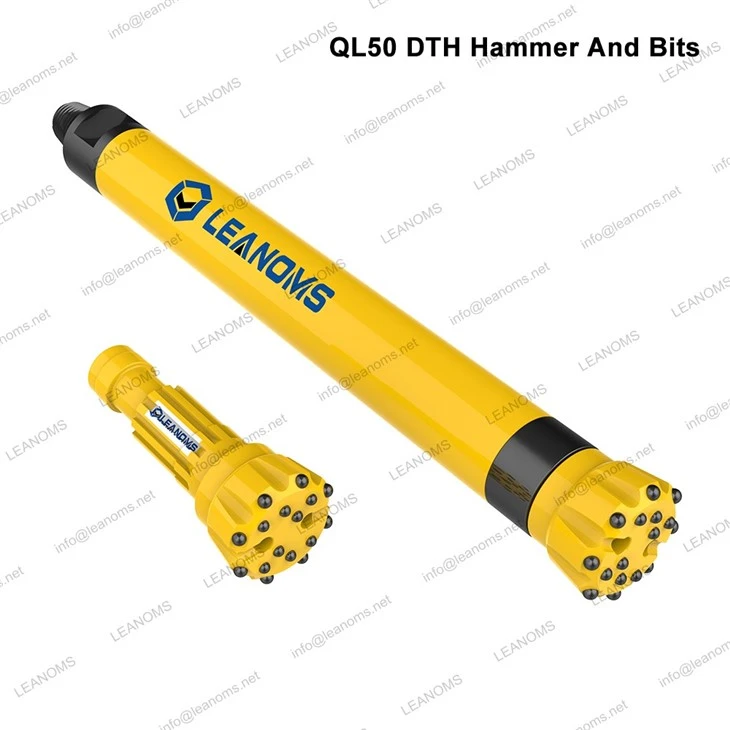
A DTH (Down-The-Hole) bit is a crucial component of the DTH drilling system, designed for efficient and productive rock drilling operations. These bits are specifically engineered to deliver high-performance drilling in a wide range of applications, including mining, construction, quarrying, and geotechnical exploration.
The DTH bit is responsible for the actual rock-breaking action in the drilling process. It is connected to the end of the drill string and operated by a DTH hammer. As compressed air or other suitable fluids are forced down the drill string, it powers the DTH hammer, which in turn transfers the energy to the DTH bit. This energy is then directed to the drill bit's cutting structure, allowing it to effectively penetrate and break up the rock formations.
DTH bits are available in various sizes, designs, and configurations to cater to different drilling requirements. The selection of the appropriate DTH bit depends on factors such as the type of rock formations, drilling depth, desired penetration rates, and the specific application.
These bits are typically manufactured using high-quality materials such as premium-grade carbide and alloy steels. The materials used ensure durability, strength, and resistance to wear and abrasion, enabling the bit to withstand the harsh drilling conditions.
The cutting structure of a DTH bit typically consists of hardened steel or carbide buttons/inserts strategically arranged on the bit's face. The design and arrangement of these buttons play a vital role in the bit's performance, determining its ability to effectively break the rock and maintain stability during drilling.
In summary, the DTH bit is a critical component of the DTH drilling system, enabling efficient and precise rock penetration. With its robust construction, cutting-edge design, and compatibility with DTH hammers, the DTH bit ensures optimal drilling performance, productivity, and cost-effectiveness in a wide range of applications.

Specification LEANOMS
Choosing the right DTH (Down-The-Hole) bit is crucial for achieving efficient and successful drilling operations. Here are some key factors to consider when selecting the right DTH bit for your drilling needs:
1. Rock Formation: Understand the geology and composition of the rock formations you will be drilling into. Consider factors such as hardness, abrasiveness, and fracturing properties. Different rock formations require specific DTH bit designs and materials for optimal performance.
2. Bit Design: Evaluate the design features of the DTH bit, including the shape and arrangement of the carbide buttons or inserts. Different designs are suited for various drilling conditions and objectives. For example, flat-face bits are suitable for soft formations, while convex or concave face bits are effective for harder formations.
3. Bit Size and Diameter: Select the appropriate bit size and diameter based on your drilling requirements, including the desired borehole diameter and drilling depth. Choosing the right size ensures accurate drilling and minimizes operational challenges.
4. Bit Material: Consider the quality and composition of the bit's materials. Premium-grade carbide and alloy steel are commonly used for DTH bits due to their excellent wear resistance and toughness. High-quality materials ensure durability, extended bit life, and reduced downtime.
5. Penetration Rate and Bit Life: Evaluate the balance between penetration rate and bit life. Higher penetration rates may result in increased wear and shorter bit life, while slower penetration rates may reduce productivity. Choose a bit that strikes a balance between these factors based on your drilling objectives.
6. Compatibility: Ensure the compatibility of the DTH bit with your drilling equipment, particularly the DTH hammer. The bit and hammer should be compatible in terms of size, thread connection, and energy transfer capabilities to achieve optimal drilling performance.
7. Expert Advice: Seek guidance from experienced professionals or suppliers who specialize in DTH drilling. They can provide valuable insights and recommendations based on their expertise and knowledge of specific drilling applications.
By carefully considering these factors, you can select the right DTH bit that matches your drilling requirements, ensuring efficient penetration, longevity, and overall drilling success.