Products Description LEANOMS
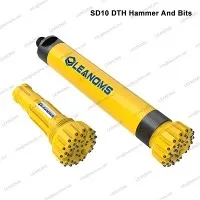
The term "Hole Hammer" is not a widely recognized or commonly used term in the context of drilling equipment. However, based on the information provided, it is likely referring to the Down-The-Hole (DTH) hammer, which is a specialized tool used in DTH hammer drilling.
A DTH hammer, also known as a Hole Hammer, is a critical component in the DTH drilling process. It is designed to transmit high-impact energy to the drill bit to facilitate efficient drilling through various rock formations. The DTH hammer is typically connected to the end of the drill string and is powered by compressed air or other suitable fluids.
The main function of a DTH hammer is to deliver rapid, powerful blows to the drill bit. This impact energy is transferred to the drilling face, allowing for effective penetration through hard rock formations. The rotation of the drill bit, combined with the impact energy, helps to break and dislodge the rock, facilitating the drilling process.
DTH hammers come in various sizes and designs to accommodate different drilling requirements. The selection of a suitable DTH hammer depends on factors such as the type of rock formation, desired drilling speed, hole diameter, and drilling depth.
Hole Hammers are engineered with robust construction and durable materials to withstand the demanding conditions encountered during drilling operations. They are typically made from high-grade steel and may incorporate wear-resistant components to ensure extended service life.
In addition to delivering impact energy, DTH hammers often feature design elements that optimize air flow, improve energy transfer efficiency, and enhance drilling performance. These design considerations can include valve systems, piston configurations, and advanced sealing mechanisms.
Overall, the Hole Hammer, or DTH hammer, is an essential tool in DTH drilling. It plays a crucial role in transmitting impact energy to the drill bit, facilitating efficient and productive drilling in a variety of rock formations. The design and engineering of DTH hammers continue to evolve, enabling improved drilling performance and increased productivity in various drilling applications.

Specification LEANOMS

The technology behind the Hole Hammer, also known as the Down-The-Hole (DTH) hammer, involves several key components and engineering advancements. Here are some technological aspects related to the Hole Hammer:
1. Impact Mechanism: The Hole Hammer is designed with an impact mechanism that enables the transfer of high-impact energy to the drill bit. This mechanism typically includes a piston, valve system, and a striker. When pressurized air or fluid is introduced into the hammer, it drives the piston downward, striking the striker against the drill bit, creating the impact force necessary for drilling.
2. Valve Systems: Modern Hole Hammers often incorporate advanced valve systems to optimize energy transfer and overall performance. These valve systems control the flow of air or fluid within the hammer, allowing for precise timing and regulation of the impact forces. They ensure efficient energy transfer from the piston to the drill bit, enhancing drilling productivity.
3. Sealing Mechanisms: Effective sealing mechanisms are critical in Hole Hammers to maintain the required air or fluid pressure and prevent leaks. Specialized sealing technologies, such as o-rings and elastomeric materials, are utilized to ensure a secure and reliable seal between the moving parts of the hammer. This enhances the overall efficiency and longevity of the Hammer.
4. Material Selection: Hole Hammers are typically constructed using high-quality materials, such as high-grade steel, to withstand the demanding conditions encountered during drilling. These materials offer durability, strength, and resistance to wear and abrasion, ensuring reliable performance and extended service life.
5. Design Optimization: The design of the Hole Hammer is continuously optimized to enhance drilling efficiency and productivity. Engineers focus on factors such as weight distribution, air or fluid flow dynamics, and overall hammer geometry to maximize energy transfer and minimize energy losses. These design optimizations result in improved drilling performance and reduced operational costs.
Manufacturing Processes: Advanced manufacturing techniques, such as precision machining and heat treatment, are employed to ensure the accuracy, durability, and reliability of Hole Hammers. These processes help achieve tight tolerances, maintain consistent performance, and enhance the overall quality of the hammers.
Overall, the technology behind the Hole Hammer involves precision engineering, innovative design, and the use of high-quality materials. These technological advancements contribute to the efficient transfer of impact energy, optimized drilling performance, and increased durability, making the Hole Hammer a vital tool in the field of drilling.