


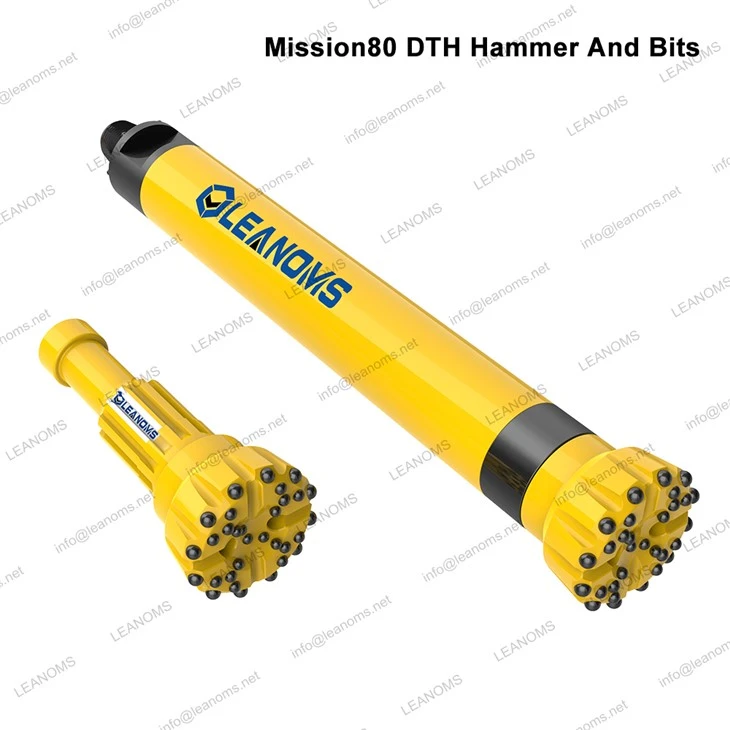

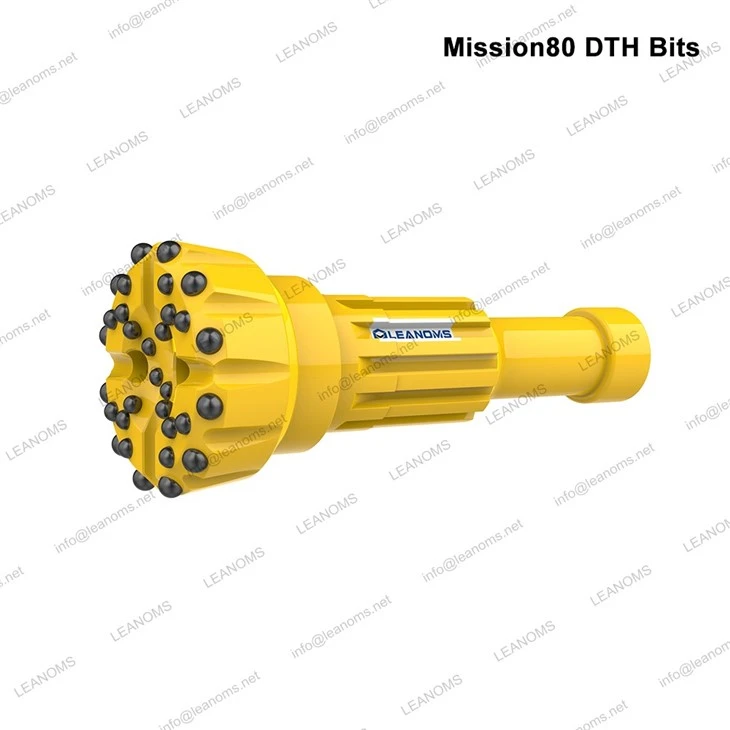


product introduction
::LEANOMS
A DTH Hammer For Oil is a specialized drilling tool used in the oil and gas industry, as well as in various other sectors, for drilling boreholes or wells. It operates on a principle similar to that of a jackhammer, where a piston strikes the drill bit to break rock or other formations beneath the surface. DTH Hammers For Oil is typically used in drilling applications that require efficient penetration through hard and abrasive rock formations.
product structure
LEANOMS
DTH Hammer For Oil are specialized drilling tools commonly used in the mining, construction, and oil and gas industries. Several components within DTH Hammer For Oil are prone to wear and damage due to the harsh drilling conditions they operate. Here are some of the parts that are easily damaged and how to maintain them:
Drill Bit: The drill bit is the part of the DTH Hammer For Oil that comes into direct contact with the rock or formation being drilled. It is highly susceptible to wear and damage.
To maintain it:
Regularly inspect the drill bit for wear and damage.
Replace the drill bit when it becomes dull or damaged to ensure efficient drilling.
Seals and O-rings: DTH Hammer For Oil have various seals and O-rings to prevent air or drilling fluid leaks and maintain proper pressure. These seals can deteriorate over time.
To maintain them:
Inspect seals and O-rings regularly for signs of wear, cracking, or leaks.
Replace damaged or worn seals promptly to prevent pressure loss and maintain drilling efficiency.
Piston: The piston is a moving part inside the DTH hammer that delivers impacts to the drill bit. Frequent impacts can lead to wear and potential damage.

To maintain it:
Periodically inspect the piston for signs of wear, scoring, or damage.
Ensure proper lubrication to reduce friction and wear.
Hammer Body: The outer casing of the DTH Hammer For Oil, known as the hammer body, can be subject to damage when drilling in hard rock formations.
To maintain it:
Inspect the hammer body for cracks, dents, or other damage regularly.
Replace the hammer body if significant damage is observed to prevent further issues.
Drill Pipe: The drill pipe connects the DTH Hammer For Oil to the surface equipment and experiences both impact and rotational forces.
To maintain it:
Inspect the drill pipe for bends, cracks, or excessive wear.
Replace damaged or worn drill pipes to ensure safe and efficient drilling.
Internal Components: Various internal components, such as the valve mechanism and shock absorbers, can also wear out or become damaged with prolonged use.
To maintain them:
Follow the manufacturer's maintenance guidelines for specific internal components.
Regularly inspect and replace worn or damaged internal components as needed.
product parameters
LEANOMS
Technical Parameters Of Mission80 DTH Hammer & Bit

failure analysis
LEANOMS
Drill operators working with down-the-hole (DTH) drilling equipment need to be skilled and attentive to ensure efficient and safe drilling operations. Here are some common operating errors made by drill operators when conducting down-the-hole drilling:
Incorrect Choice of Drilling Parameters: Selecting inappropriate drilling parameters such as air pressure, impact frequency, and rotation speed for the specific geological conditions can lead to suboptimal drilling efficiency.
Neglecting Drill Bit Inspection: Failing to regularly inspect and maintain the condition of the drill bit can result in premature wear, reduced drilling performance, and unnecessary downtime.
Inadequate Cleaning and Cooling: Neglecting to clean the drilling area and maintain proper cooling can lead to debris buildup, reduced efficiency, and potential equipment overheating or damage.
Improper Feeding Pressure: Incorrect feeding pressure can cause the drill bit to become stuck, leading to operational disruptions or even damage to the equipment. Operators should adjust the feeding pressure according to the geological conditions
why choose us?
LEANOMS
350 Advanced Equipment:Unparalleled Precision and Qualit
Unrivaled Heat Treatment Technology: The 350 Advanced Equipment comes equipped with 20 state-of-the-art heat treatment units, all sourced from the renowned Atlas brand. This ensures the longevity and durability of our products, setting them apart in the industry.
High Precision CNC Machining: Leveraging our arsenal of 200 high-precision CNC machines, we guarantee that every component of the 350 Advanced Equipment is manufactured to the tightest tolerances. This precision minimizes variations in batch production, assuring consistent quality.
Versatile CNC Capabilities: Complementing our high-precision machines are an additional 20 CNC machines, offering versatility in manufacturing, further enhancing the adaptability of our products.
Rigorous Testing: To ensure the reliability and performance of our equipment, we maintain a comprehensive testing setup consisting of over 60 testing machines. Each unit undergoes rigorous testing to meet and exceed industry standards.
Streamlined Production: Our comprehensive and high-precision production facilities simplify the manufacturing process. This streamlining not only boosts production capacity but also enhances overall product stability.


