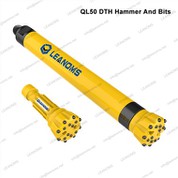
Products Description LEANOMS
Advantages of Low Air Pressure DTH Hammer:
1. Reduced Air Consumption: One of the key advantages of a low air pressure DTH hammer is its reduced air consumption compared to high-pressure hammers. This results in lower operational costs and increased efficiency, as less compressed air is required for drilling operations.
2. Energy Efficiency: Low air pressure DTH hammers are designed to optimize energy transfer, ensuring maximum impact energy is delivered to the drill bit. This energy efficiency improves drilling performance and productivity while minimizing energy wastage.
3. Extended Drill Bit Life: The reduced air pressure in the hammer helps to mitigate the wear and tear on the drill bit. With less impact force, the drill bit experiences less stress, leading to increased longevity and reduced maintenance costs.
4. Versatility in Soft to Medium Rock Formations: Low air pressure DTH hammers are particularly effective in soft to medium rock formations. They provide sufficient impact energy for efficient drilling while minimizing the risk of over-penetration or excessive fracturing of the rock.
5. Reduced Noise and Vibrations: The lower air pressure used in these hammers results in reduced noise levels and vibrations during drilling operations. This benefits both the operators and the surrounding environment, providing a more comfortable and safer working environment.
Disadvantages of Low Air Pressure DTH Hammer:
1. Limited Application in Hard Rock Formations: Low air pressure DTH hammers may face limitations when drilling in hard rock formations. The reduced impact energy might result in slower penetration rates or insufficient drilling performance in extremely hard or abrasive rock types.
2. Longer Drilling Time: Due to the reduced impact energy, low air pressure DTH hammers may require longer drilling times compared to high-pressure hammers, especially in challenging rock formations. This can affect overall project timelines and efficiency.
3. Depth Limitations: In some cases, low air pressure DTH hammers may have limitations in drilling deeper holes. The reduced impact energy might affect the hammer's ability to penetrate deeper into the rock, requiring additional equipment or alternative drilling methods for deeper drilling applications.
4. Dependency on Compressor Capacity: Low air pressure DTH hammers require an adequate compressor capacity to maintain consistent air supply. Insufficient compressor capacity may result in diminished performance and productivity.
It's important to note that the advantages and disadvantages of a low air pressure DTH hammer can vary depending on the specific model, rock formations, and drilling conditions. It is advisable to consider these factors and consult with experts to determine the most suitable hammer for a particular drilling application.

Specification LEANOMS
The low air pressure DTH (Down-The-Hole) hammer finds application in various drilling projects where reduced air consumption and optimized energy transfer are desired. Some common applications of low air pressure DTH hammers include:
1. Water Well Drilling: Low air pressure DTH hammers are suitable for water well drilling projects, providing efficient drilling performance while conserving compressed air. They are used to drill water wells for domestic, agricultural, and industrial purposes.
2. Geotechnical and Environmental Drilling: These hammers are utilized in geotechnical and environmental drilling applications, such as soil sampling, groundwater monitoring, and environmental site assessments. The reduced air pressure ensures controlled penetration in different soil formations.
3. Construction and Foundation Drilling: Low air pressure DTH hammers are employed in construction projects for foundation drilling, piling, and anchoring. They offer energy-efficient drilling in soft to medium rock formations, aiding in the creation of stable foundations for structures.
4. Blasting and Quarrying: These hammers are used in quarrying and blasting operations for creating blast holes in rock formations. The reduced air consumption allows for cost-effective drilling while maintaining adequate impact energy for effective blasting and extraction of minerals.
5. Civil Engineering and Infrastructure Projects: Low air pressure DTH hammers are utilized in civil engineering projects, including tunneling, underground excavations, and infrastructure development. They provide efficient drilling performance in softer rock formations encountered in these projects.
6. Exploration Drilling: These hammers find application in exploration drilling for mineral deposits, geothermal resources, and oil and gas reserves. They are used to obtain rock samples and assess the subsurface conditions for further exploration and resource evaluation.
It's important to consider the specific geological formations and drilling requirements of each application to determine the suitability of a low air pressure DTH hammer. Consulting with experts and manufacturers can help in selecting the appropriate hammer for optimal drilling performance.