Products Description LEANOMS
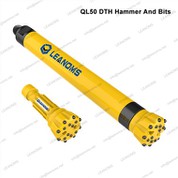
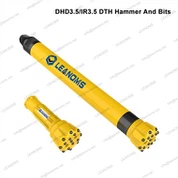
DHD380 is a type of DTH hammer that is widely used in various drilling applications. It has a large diameter of 380mm and is capable of delivering high impact energy for efficient drilling. Over the years, the product has gone through several changes and improvements to meet the evolving needs of the drilling industry.
The product trend history of DHD380 can be divided into different stages based on the major changes and advancements in the product design and technology. The early stage of DHD380 was characterized by the introduction of the first generation of the product, which was developed with basic features and functions. At this stage, the hammer was mainly used for drilling in soft and medium-hard rock formations.
In the mid-stage, the product underwent significant improvements to enhance its performance and efficiency. This led to the introduction of the second generation of DHD380, which featured advanced features such as optimized air flow and increased impact energy. This enabled the hammer to drill deeper and faster in hard rock formations, making it more versatile and suitable for various drilling applications.
The later stage of DHD380 was marked by the introduction of the third generation of the product. This was characterized by significant improvements in the hammer's design and technology, resulting in enhanced performance, durability, and versatility. The third generation of DHD380 featured advanced features such as a new piston design, optimized air flow, and improved sealing technology. This enabled the hammer to deliver higher impact energy, increase penetration rates, and reduce downtime, making it more efficient and cost-effective.
The current trend in DHD380 is focused on enhancing the product's sustainability and reducing its environmental impact. This has led to the introduction of eco-friendly features such as reduced noise levels, lower fuel consumption, and reduced emissions. The product is also being designed with longer service life and increased durability, which reduces the need for frequent replacement and maintenance.
In conclusion, the product trend history of DHD380 demonstrates the evolution and advancements in the design and technology of DTH hammers. From the basic features of the first generation to the advanced features of the current generation, the product has undergone significant improvements to enhance its performance, efficiency, and sustainability. As the drilling industry continues to evolve, it is expected that DHD380 will continue to evolve to meet the emerging needs and challenges of the industry.

Specification LEANOMS
The DHD380 is a popular DTH hammer model used in drilling and mining operations. With its high performance and reliability, it has created numerous opportunities for companies in the drilling and mining industry. However, it also presents certain challenges that must be overcome to fully realize its potential.
One opportunity presented by the DHD380 is its ability to drill deeper and faster than other DTH hammer models. This makes it highly suitable for large-scale mining and construction projects that require fast and efficient drilling. Additionally, the DHD380's compatibility with a range of drilling rigs means that it can be used across a variety of drilling applications, further increasing its market potential.
However, one of the challenges associated with the DHD380 is its high cost. This means that not all drilling companies can afford to invest in this model, limiting its potential customer base. Additionally, the high cost may also result in increased maintenance and repair expenses, further adding to the overall cost of ownership.
Another challenge associated with the DHD380 is its size and weight. As one of the larger DTH hammer models, it may not be suitable for use in smaller drilling applications or in areas with limited space. This can make it challenging for drilling companies to use the DHD380 in certain projects.
Furthermore, the DHD380 operates under high pressure and high temperatures, which can result in increased wear and tear of the hammer and other drilling equipment. This presents a challenge for drilling companies in terms of maintenance and repair, as they must ensure that the equipment is regularly maintained and serviced to prevent breakdowns and prolong the lifespan of the equipment.
Overall, while the DHD380 presents both opportunities and challenges, its performance and reliability make it a valuable asset for drilling companies. By addressing the challenges associated with this model and finding ways to optimize its performance, drilling companies can leverage the benefits of the DHD380 to enhance their operations and achieve greater success in the industry.