Products Description
LEANOMS

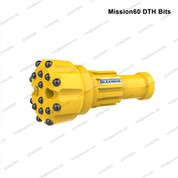
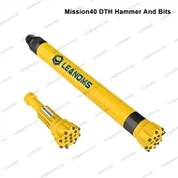
A high air pressure DTH (Down-The-Hole) drill bit is a specialized drilling tool used in mining, construction, and exploration activities. DTH drilling is a method that involves creating a hole by hammering a drill bit into the ground using high-pressure air. The drill bit is connected to the drill string, which is further connected to an air compressor on the surface.
High air pressure DTH drill bits are designed to withstand the extreme conditions and forces encountered during drilling. They are typically made from high-quality, durable materials such as tungsten carbide or diamond. These materials provide the drill bit with excellent hardness, wear resistance, and impact resistance.
The high-pressure air is forced through the drill string and into the drill bit, where it is directed towards the drill face. The compressed air creates a powerful hammering effect, effectively breaking the rock or ground formation. The broken material is then flushed out of the hole by the air or water, depending on the drilling method.
High air pressure DTH drill bits come in various sizes and designs to suit different drilling applications. The choice of the drill bit depends on factors such as the type of rock or formation being drilled, the desired hole diameter, and the drilling conditions. Different types of DTH drill bits include button bits, cross bits, and DTH hammers with integrated bits.
Overall, high air pressure DTH drill bits are essential tools in many drilling operations, offering efficient and reliable performance in challenging geological conditions.
There can be several reasons for failures of high air pressure Down-The-Hole (DTH) drill bits. Here are some potential causes:
Bit Wear: DTH drill bits are subjected to significant wear and tear due to the high-pressure air and the abrasive nature of the rock formations being drilled. Over time, the cutting structure of the bit can wear out, leading to decreased drilling performance and eventual failure.
 Improper Bit Selection: Different rock formations require different types of DTH drill bits. If the wrong type of bit is selected for a particular formation, it may not be able to withstand the drilling forces or effectively break the rock. This can result in premature failure of the bit.
Insufficient Maintenance: Regular maintenance is crucial for extending the lifespan of DTH drill bits. Inadequate cleaning, lubrication, or failure to replace worn-out parts can lead to increased friction, reduced performance, and ultimately, failure of the bit.
Overloading: Applying excessive drilling pressure or using higher air pressure than recommended for the specific bit can lead to overloading. Overloading can cause the bit to become overloaded, leading to accelerated wear and potential failure.
Improper Drilling Technique: The drilling technique employed can also contribute to bit failures. If the operator applies too much side pressure, uses incorrect drilling angles, or fails to maintain a consistent drilling speed, it can put excessive stress on the bit and lead to premature failure.
Poor Quality Bit: Sometimes, using low-quality or substandard DTH drill bits can result in frequent failures. It is essential to source drill bits from reputable manufacturers known for producing high-quality products to minimize the risk of failure.
Extreme Operating Conditions: Operating in extreme environmental conditions, such as very high temperatures or corrosive environments, can impact the performance and durability of DTH drill bits. In such cases, using specialized bits designed for these conditions may be necessary to prevent failures.
To mitigate these issues, it is crucial to follow proper maintenance procedures, choose the appropriate bit for the rock formation, employ correct drilling techniques, and use high-quality equipment from reliable manufacturers. Regular monitoring and inspection of the drill bits can also help identify any signs of wear or damage early on, allowing for timely replacement or repair to avoid failures.
Specification
LEANOMS
Technical Parameters Of Mission30 DTH Bits
|
Diameter |
Gauge Buttons |
Front Buttons(mm) |
Weight(KG) |
Part Number |
||||
|
mm |
Inch |
Flat Face |
Convex Face |
Concave Face |
Face Type |
|||
|
90 |
3 1/2 |
Φ14*6 |
Φ12*2 |
Φ13*2 |
/ |
Convex Face |
4.5 |
LR-MISSION30-90CV |
|
90 |
3 1/2 |
Φ14*6 |
Φ12*4 |
/ |
/ |
Flat Face |
4.5 |
LR-MISSION30-90FF |
|
95 |
3 3/4 |
Φ14*6 |
Φ13*2 |
Φ13*2 |
/ |
Convex Face |
4.6 |
LR-MISSION30-95CV |
|
100 |
3 15/16 |
Φ14*6 |
Φ13*2 |
Φ13*3 |
/ |
Convex Face |
4.8 |
LR-MISSION30-100CV |
|
105 |
4 1/8 |
Φ14*6 |
Φ13*2 |
Φ13*3 |
/ |
Convex Face |
5.0 |
LR-MISSION30-105CV |
|
105 |
4 1/8 |
Φ13*8 |
Φ12*6 |
/ |
/ |
Flat Face |
5.0 |
LR-MISSION30-105FF |