product introduction
::LEANOMS
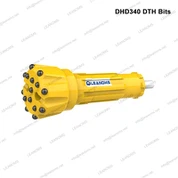
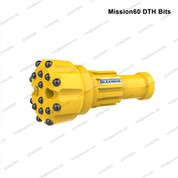
A DTH Drill Button Bit For Mining for Mining is a specialized tool designed for use with DTH drilling equipment in mining operations. These button bits are used to penetrate hard rock formations and extract valuable minerals or ores.
Disassembly
LEANOMS
Design and Material:
DTH Drill Button Bit For Mining is typically made of high-quality, wear-resistant materials such as tungsten carbide buttons, steel, and carbide steel. Tungsten carbide buttons are strategically placed on the bit's face to provide efficient rock penetration.
The DTH Drill Button Bit For Mining design can vary based on the type of rock being drilled and the specific mining application. Different button shapes and arrangements are used to optimize drilling efficiency and durability.
Button Configuration:
Button bits have various button configurations, including the number of buttons, button shapes (e.g., spherical, ballistic), and button sizes. These configurations are chosen based on the hardness and abrasiveness of the rock.
Tungsten carbide buttons are known for their hardness and resistance to wear, making them suitable for mining applications where drilling in tough rock is common.
product parameters
LEANOMS
Technical Parameters Of SD4 DTH Hammer & Bit

fAQ
LEANOMS
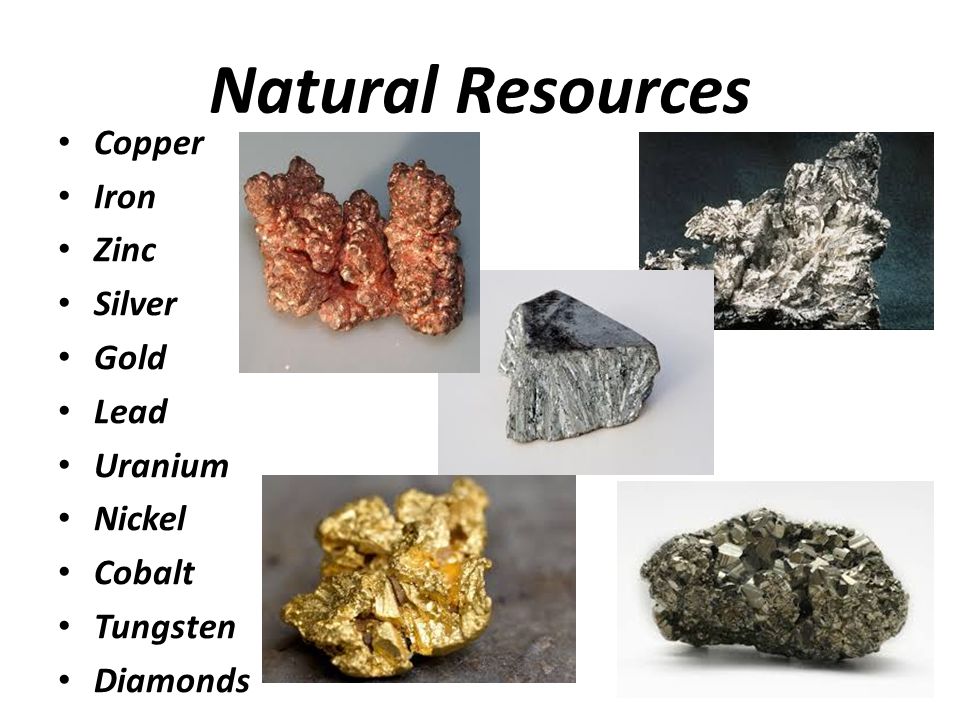
DTH Drill Button Bit For Mining are suitable for drilling various types of ores and mineral deposits, especially in hard and abrasive rock formations. The choice of DTH drill bit design and configuration often depends on the specific geological conditions and the hardness of the rock being drilled. Here are some common types of ores and minerals that are suitable for DTH drill bits:
Gold Ore: Gold is often found in hard rock formations, and DTH Drill Button Bit For Mining are used to create boreholes for exploration and extraction. The hardness of the rock may vary, so different button bit configurations can be selected to optimize drilling efficiency.
Copper Ore: Copper deposits are frequently located in hard and abrasive rock. DTH drilling is used to create holes for exploration and mining purposes.
Iron Ore: Iron ore deposits can vary widely in hardness. DTH drilling is suitable for drilling into both soft and hard iron ore formations to obtain samples for analysis and extraction.
Nickel and Cobalt Ores: These ores are commonly found in ultramafic rock formations, which can be very hard. DTH drilling is effective in extracting core samples and assessing ore quality.
Lead and Zinc Ores: Lead and zinc deposits often occur in sedimentary rock formations. DTH drilling can be used to create boreholes for exploration and resource estimation.
Diamond and Precious Stone Exploration: DTH drilling is used in the exploration of diamond-bearing kimberlite pipes and other precious stone deposits, as these formations are often located in hard rock.
Phosphate Ore: Phosphate rock is typically found in sedimentary rock formations. DTH drilling is used for exploration and evaluation of phosphate deposits.
Coal Exploration: While coal is not an ore, DTH drilling is also employed in coal exploration, especially when drilling through overburden or hard rock layers above coal seams.
Uranium Ore: Uranium deposits can occur in various geological settings. DTH drilling is used to create boreholes for uranium exploration and assessment.
Rare Earth Elements (REE) Ores: REE deposits can be found in alkaline igneous rocks and other geological formations. DTH drilling is used for exploration and delineation of these deposits.